How doctor led Ultherapy Prime is planned
Doctor-led planning begins by identifying the concern a patient wants to address and assessing whether focused ultrasound is a suitable approach. Ultherapy Prime uses high-intensity focused ultrasound to create thermal coagulation points in deep tissue, including the SMAS layer. The treatment is intended to lift sagging areas rather than simply improve skin firmness. At Ode Clinic, the approach is personalized rather than uniform, so the treatment plan is considered in light of each patient’s condition and needs.
What the consultation should clarify
A useful consultation distinguishes between concerns related to sagging and those related mainly to skin texture or firmness. Ultherapy Prime is designed for lifting, while other approaches may be considered for different goals. The doctor can review the areas of concern, discuss the intended treatment design, and consider whether the patient’s facial condition makes focused ultrasound appropriate. The purpose is to make a considered plan, not to assume the same treatment suits everyone.
At Ode Clinic, the clinic’s stated approach is to provide individualized treatment and listen closely to patient feedback. This matters because facial anatomy and priorities differ: one person may be concerned about the brows or eyelids, while another may focus on the cheeks, nasolabial folds, or the area beneath the chin. A doctor-led discussion helps connect those concerns with a realistic treatment objective. It also gives the patient an opportunity to ask questions before deciding. Personalized assessment is the starting point for discussing whether Ultherapy Prime fits the concern. The final plan should reflect the individual’s condition, rather than a fixed formula.
How focused ultrasound supports lifting
Ultherapy Prime uses focused ultrasound to form thermal coagulation points in deeper tissue. The treatment information describes these points as producing immediate tissue contraction, while the intended effect is direct lifting of sagging contours. This differs from approaches that focus on tightening or improving skin elasticity. The distinction is useful when discussing treatment goals: lifting and tightening are related concerns, but they are not interchangeable aims.
The depth and placement of energy are central to the treatment design. Ultherapy Prime targets the SMAS layer, a deeper support layer beneath the skin, rather than treating only the surface. Areas that may be considered include the brows and eyelids, sagging cheeks, nasolabial folds, a double chin, and the V-line. These are potential treatment areas, not a promise that every area should be treated in every patient. The doctor considers facial condition and the patient’s priorities when discussing the plan. In particular, the treatment design can take facial fat into account, with the aim of avoiding unwanted hollowing. Area selection and energy delivery should be individualized to the person being treated.
Ultherapy Prime is intended for lifting, so the first step is to determine whether sagging is the concern the patient wants to address. A doctor-led assessment helps shape the treatment areas and design around the individual rather than applying a uniform plan.
Who may consider this treatment
People concerned about sagging around the brows, eyelids, cheeks, nasolabial folds, or beneath the chin may wish to discuss Ultherapy Prime with the doctor. It may also be considered by someone seeking a lifting approach that targets deeper tissue. Suitability depends on the individual facial condition and treatment goals, so a consultation is needed before choosing a procedure.
Some patients may have more than one concern, such as reduced firmness alongside changes in facial contour. In that situation, it is useful to clarify which concern matters most and what kind of change the patient expects. Ultherapy Prime is designed to lift, while tightening treatments focus more on skin firmness; the distinction can guide a discussion about options. Patients should also share any concerns about facial volume so the treatment design can take that into account. A consultation is not simply a step before treatment: it is where expectations, treatment areas, and the proposed approach can be discussed together. The decision should reflect an individual assessment, with no assumption that a device or procedure is appropriate for everyone.
Doctor led Ultherapy Prime and treatment expectations
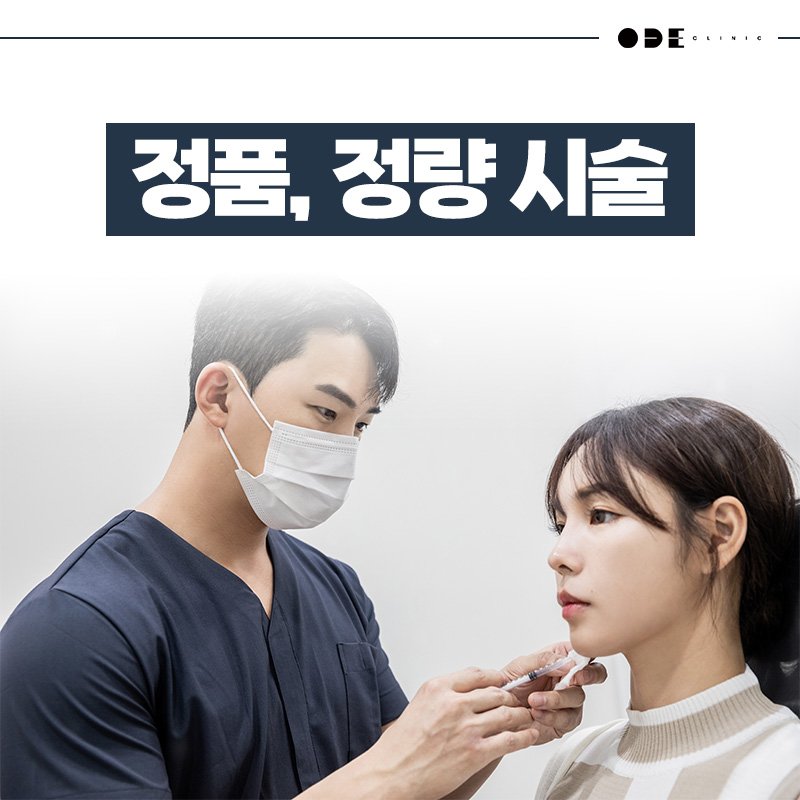
Understanding the treatment’s purpose helps set practical expectations. Ultherapy Prime is a lifting treatment that targets deeper tissue, while the degree and timing of visible change depend on individual condition. The treatment information describes a general cycle of six to twelve months; this is a reference for discussion, not a fixed schedule for every patient. Ode Clinic’s approach emphasizes individualized care and continued attention to patients before and after procedures.
Areas and goals discussed during treatment planning
The treatment may be discussed for the brows and eyelids, sagging cheeks, nasolabial folds, a double chin, or the V-line. The reason for naming the specific area is to connect the treatment design to the patient’s concern, rather than to treat the entire face by default. The doctor can discuss which areas are relevant and how the plan accounts for facial condition.
Facial lifting is not a single, identical goal for every patient. A person may want to address visible sagging, while another may be more concerned about how the lower face or cheeks appear. The doctor-led consultation gives space to explain those priorities and consider the appropriate areas. Because Ultherapy Prime delivers energy to deep tissue, facial anatomy and volume are relevant to planning. The treatment information notes that design can account for minimal facial fat to help prevent hollowing. This does not mean the same plan will suit all faces; it reinforces the need to assess each patient before proceeding. Clear discussion of goals and treatment areas helps ensure the plan addresses the concern being raised.
Timing, follow-up, and individual change
The stated treatment cycle for Ultherapy Prime is every six to twelve months. The appropriate interval should be discussed in relation to the patient’s condition and treatment plan rather than treated as an automatic repeat schedule. Changes may take time depending on individual condition, so expectations should remain grounded in personal assessment.
Follow-up is part of a considered approach to aesthetic treatment. Ode Clinic’s stated commitments include providing attentive care and working to maintain a consistent approach before and after procedures. Patients can use follow-up discussions to raise questions about their experience and revisit whether the treatment plan remains appropriate. The clinic also describes ongoing academic activity by its medical staff, with attention to current medical trends and the safety and effectiveness of procedures. These commitments do not guarantee a particular outcome; individual responses differ. A practical conversation can cover the treatment cycle, any questions that arise after a session, and whether future care should be planned. Timing should be guided by the person’s condition, not by a one-size-fits-all calendar.
Ultherapy Prime has a general six-to-twelve-month treatment cycle, but that interval is not a substitute for individual review. The patient’s facial condition, goals, and response should guide discussion of timing and follow-up.
Points to consider before treatment
Before proceeding, make sure the treatment goal is clear and that the expected approach matches it. Ultherapy Prime is intended for lifting deeper tissue; it is not described as a treatment for every skin concern. Discuss the areas of interest, facial volume, and any questions about treatment design with the doctor before making a decision. Individual assessment is central to selecting an appropriate plan.
It is also reasonable to ask how the doctor’s proposed plan relates to the concern being addressed and what follow-up may be appropriate. A treatment discussion should allow time for patient feedback and questions, consistent with Ode Clinic’s commitment to listening and providing individualized care. Patients should avoid treating a general treatment cycle as a personal recommendation; the six-to-twelve-month interval is a broad guide, and actual timing depends on individual assessment. If the main concern is not sagging, another approach may be more suitable to discuss. A measured decision starts with understanding the goal, the treatment’s intended role, and the plan proposed for the individual.
Choosing doctor led Ultherapy Prime at Ode Clinic
Choosing a clinic involves more than selecting a device. Patients can consider whether the consultation addresses their needs, whether the proposed plan is individualized, and whether they feel able to ask questions. Ode Clinic’s four stated commitments include personalized rather than uniform treatment, attentive listening, continued service improvement, and consistent care before and after procedures. Those principles provide a useful framework for discussing Ultherapy Prime.
Personalized care rather than a uniform protocol
Ode Clinic describes individualized treatment as a core commitment. For Ultherapy Prime, this means that the discussion should relate the treatment to the patient’s concerns and facial condition instead of assuming a standard plan applies to everyone. Patients can explain what they hope to address and ask how the doctor proposes to approach those areas.
A personalized plan is not simply a choice of device. It also requires a conversation about the purpose of treatment, the areas under consideration, and how the patient’s facial condition informs the design. Ode Clinic states that its medical staff aim to provide attentive care and to continue improving its medical services. The clinic also describes ongoing academic activity intended to keep its medical staff engaged with current developments and to support attention to treatment safety and effectiveness. These principles can help structure a patient’s questions, but the treatment decision still depends on an individual consultation. The key is to understand why a particular approach is being discussed for your concern.
Communication before and after a procedure
Patient communication is one of Ode Clinic’s stated commitments. Patients should have the opportunity to express concerns, ask questions, and understand the proposed treatment plan before deciding. The clinic also says it strives to maintain the same level of care before and after a procedure, making follow-up part of the overall patient experience.
For a treatment such as Ultherapy Prime, communication can help clarify what lifting is intended to address and what the patient should expect from an individualized plan. It also gives the patient a chance to discuss concerns about facial volume, areas of treatment, and possible timing for future care. The clinic’s stated philosophy emphasizes listening even to small concerns and continuing to improve its services. These are practical considerations when evaluating whether the consultation feels clear and responsive. Patients should leave the discussion understanding the proposed purpose and having had the opportunity to raise questions. Good communication supports an informed decision; it does not replace an individual medical assessment.
Visiting Ode Clinic
Ode Clinic is a dermatology clinic in Gangnam, Seoul. The clinic’s stated address is 8F, Gyeongwon Building, 340 Gangnam-daero, Gangnam-gu, Seoul, Yeoksam-dong. Patients can contact the clinic by phone to ask about consultation arrangements and Ultherapy Prime.
Ode Clinic’s listed hours are Monday through Friday, 11:30 AM to 8:30 PM, and Saturday through Sunday, 10:00 AM to 4:00 PM. The clinic operates without a lunch break. If you are considering treatment, contacting the clinic before visiting is a practical way to ask about arranging a consultation. The doctor-led discussion can then focus on your concerns, facial condition, and whether the treatment is suitable for your goals.
When preparing for a consultation, it can help to think through the areas you want to discuss and the changes you hope to address. You may also want to ask about treatment design, the general treatment cycle, and follow-up. There is no need to arrive with a predetermined procedure in mind: the clinic’s stated approach is to consider each patient individually. Contact Ode Clinic at +82 2-569-0222 or visit the address above to ask about consultation arrangements.



Frequently Asked Questions
Q.What kind of clinic is Ode Clinic?
A.Ode Clinic is a dermatology clinic in Gangnam, Seoul. Its stated approach includes individualized care, attentive listening, and a consistent commitment before and after procedures.
Q.Who might consider discussing Ultherapy Prime?
A.People concerned about facial sagging may ask the doctor whether a lifting treatment is appropriate for their condition. The decision should be based on an individual consultation.
Q.How does Ode Clinic approach treatment planning?
A.Ode Clinic describes its approach as personalized rather than uniform, with attention to patient feedback and ongoing care. The doctor can discuss an individual treatment plan during consultation.
Q.What should I know before arranging a visit?
A.Ode Clinic is open Monday through Friday from 11:30 AM to 8:30 PM and Saturday through Sunday from 10:00 AM to 4:00 PM, with no lunch break. Contact the clinic to ask about consultation arrangements.
Q.Where is Ode Clinic, and how can I contact it?
A.Ode Clinic is at 8F, Gyeongwon Building, 340 Gangnam-daero, Gangnam-gu, Seoul, Yeoksam-dong. Call +82 2-569-0222.
Clinic Information
| Clinic | Ode Clinic |
|---|---|
| Specialty | Dermatology |
| Address | Seoul, Gangnam District, Gangnam-daero, 340 8F |
| Phone | +82 2-569-0222 |
| Website | https://odeclinicseoul.com/en |
 Ode Clinic