
Building a Customized Thermage Treatment Plan
A thoughtful Thermage plan begins by identifying the concern to address, rather than choosing a treatment or shot count in advance. Thermage FLX uses monopolar radiofrequency to deliver heat to the dermis, where collagen contraction and remodeling may support firmer-looking skin and texture improvement. It is a tightening treatment, not a direct lifting procedure. Clear goals and an individual assessment help determine whether Thermage is appropriate and how it may fit into a broader treatment plan. At ODE Clinic, treatment options are considered through one-on-one consultation.
Start with skin concerns and treatment goals
Before discussing Thermage, identify the changes that matter most to you. These might include reduced firmness, fine lines, changes in skin texture, or a general concern about skin aging. Being specific helps the medical staff understand what you hope to improve and discuss whether a radiofrequency tightening approach is relevant. It also helps distinguish a skin-firmness concern from a concern focused mainly on sagging contours, which may call for a different type of treatment.
Think about your preferred pace and the kind of change you consider meaningful. Thermage works through collagen contraction and remodeling, so it should not be approached as a guaranteed or immediate contour change. The clinic’s treatment recommendations weigh patient needs, timing of results, duration of effects, cost, and potential side effects. Sharing both your priorities and your expectations makes the consultation more useful. You can also discuss previous aesthetic treatments and any factors that may affect your decision, so the medical staff can consider the full context rather than one concern in isolation.
Begin with the concern, not a predetermined device or shot count. Thermage may suit a tightening goal, while other concerns may require a different approach or a discussion of alternatives.
Understand what Thermage can address
Thermage FLX is a monopolar radiofrequency treatment. Its energy heats the dermis and prompts collagen contraction and remodeling, with the aim of improving skin firmness, texture, and wrinkles. Unlike procedures designed to lift tissue directly, Thermage primarily focuses on tightening. Understanding this distinction helps keep the treatment goal realistic and makes it easier to compare options during consultation.
Changes after Thermage are gradual and may take time depending on individual condition. ODE Clinic’s treatment information describes collagen remodeling over approximately six months and recommends discussing maintenance timing according to the patient’s needs. That timeline is a planning reference, not a promise that every person will notice the same change at the same time. A consultation can clarify what Thermage is intended to address in your case, what kind of progress to look for, and whether another treatment category may be more relevant to your primary concern.
Decide whether Thermage fits the overall plan
Thermage should be considered in relation to the concern, the desired timing of results, and other options available. ODE Clinic offers lifting and tightening treatments as well as volume, skin booster, anti-aging, and body programs. This wider range can help frame a discussion about whether the concern is mainly firmness, sagging, volume, or skin quality. The aim is to select an approach based on the consultation rather than treating every concern with one device.
If the main goal is improved skin firmness or texture, ask how Thermage may address that goal and what other options should be considered. If the concern is more about lifting or facial volume, explain that clearly as well. The medical staff can discuss the intended role of each option and whether treatments should be considered separately or in sequence. A plan should connect each recommended step to a stated concern, rather than treating a list of procedures as a goal in itself.
It can help to leave the consultation with a clear understanding of the treatment objective, expected pace of change, and follow-up approach. Ask what the chosen treatment is designed to do and how progress will be reviewed. ODE Clinic describes objective before-and-after comparisons using skin diagnostic photos and follow-up consultations. These can support a more structured discussion of change over time, while recognizing that individual responses differ.

Personalizing a Customized Thermage Treatment Plan
Once the treatment goal is clear, the next step is to tailor the plan to the person rather than apply a uniform approach. Skin condition, areas of concern, timing, and preferences all inform the discussion. Thermage FLX is one of several energy-based options available at ODE Clinic, alongside Ultherapy, XERF, EMFACE, and other devices. Comparing the treatment purpose of each option helps make the plan more specific and avoids assuming that similar devices work in the same way.
Discuss treatment areas and shot count
During consultation, explain which areas concern you and what change you hope to see. The medical staff can then discuss the treatment design and the shot count under consideration. Shot count should be understood in relation to the planned areas and the treatment objective, not as an isolated measure of quality. A number chosen without assessment may not reflect the individual plan.
ODE Clinic lists Thermage FLX options by shot count, including 600-shot and 900-shot treatments. The appropriate option depends on the assessment and the areas being considered. Ask how the proposed shot count relates to your goals and what areas it is intended to cover. It is also reasonable to ask how the plan takes your facial condition into account and whether the medical staff recommends Thermage alone or a discussion of other options. Understanding the rationale behind the design is more useful than selecting a number first.
A personalized design connects the treatment area and shot count to the concern being addressed. Ask the medical staff to explain the reasoning so you can make an informed decision about the plan.
Compare tightening with lifting and other options
Tightening and lifting are related goals, but they are not interchangeable. Thermage is a radiofrequency tightening treatment focused on the dermis. Ultherapy uses focused ultrasound to target deeper tissue, while other devices use different energy approaches. The distinctions matter because a concern about skin firmness may not be the same as a concern about sagging contours.
ODE Clinic invests in a range of devices, including Ultherapy, Thermage, EMFACE, XERF, Density, Onda, Shurink, and Mirajet. Their availability does not mean each person needs more than one treatment. Instead, it creates an opportunity to discuss which option aligns with the concern and whether combination or sequential treatment is appropriate. The treatment recommendation can also take into account timing, duration of effects, cost, and potential side effects. Do not assume that combining procedures will necessarily improve an outcome; ask what role each proposed step serves. The doctor can explain the intended purpose and how the options differ before a decision is made.
Set expectations and plan for follow-up
Agreeing on what to monitor is part of a well-structured plan. Thermage changes may develop gradually, so an immediate assessment alone may not reflect the full course of collagen remodeling. Discuss when follow-up is appropriate and how changes will be reviewed. ODE Clinic describes using skin diagnostic photos for objective before-and-after comparisons and follow-up consultations.
Before treatment, make sure you understand the intended outcome, the proposed treatment areas, the shot count, and the expected pace of change. Ask how the clinic will review your progress and how to raise a concern after the procedure. A follow-up discussion is also an opportunity to revisit whether the original goal remains the priority. Recording a clear starting point and reviewing progress in context can support more informed decisions about future care. Individual results vary, so an assessment should focus on your own condition rather than a fixed expectation.
Maintenance timing should be discussed individually. ODE Clinic’s Thermage information describes an annual treatment cycle, while also noting that changes develop over time. That schedule is a reference for discussion, not a requirement for every patient. Consider how the treatment fits your preferences and longer-term plans, and ask whether reassessment is more appropriate before deciding on another session.
Preparing for a Customized Thermage Treatment Plan
Preparation is mainly about making the consultation clear and understanding the proposed treatment before proceeding. Bring a concise account of your primary concerns, previous aesthetic procedures, and the kind of change you hope to achieve. The doctor can then discuss whether Thermage FLX is appropriate, how it compares with other options, and what follow-up may involve. Informed planning includes both the treatment itself and a realistic understanding of its purpose and timeline.
What to discuss during consultation
Start with the concern that affects you most, then mention any secondary concerns that could influence the plan. Explain whether your priority is firmness, texture, wrinkles, or a change in facial contour. If you have had previous treatments, share that history with the medical staff. This helps keep the discussion focused on your condition and supports an assessment of whether Thermage is a suitable option.
Ask the doctor to explain how Thermage works, which areas are being considered, and why the proposed shot count fits the plan. You can also ask how long changes may take to develop, what follow-up is recommended, and whether another treatment category is more aligned with your goal. ODE Clinic describes one-on-one consultation with the medical director and treatment recommendations that consider patient needs, timing, duration, cost, and potential side effects. Use the consultation to make sure you understand the purpose of each recommended step before agreeing to treatment.
Good preparation means arriving with clear priorities and asking direct questions about the proposed plan. Understanding the treatment’s purpose, timing, and follow-up supports a more informed decision.
Review safety and treatment considerations
Before proceeding, discuss any concerns about treatment and ask what considerations apply to your personal condition. The medical staff can explain the procedure and relevant potential side effects as part of the consultation. ODE Clinic’s brand information notes that Airnox nitrous oxide sedation is an option for Thermage; discuss whether it is relevant to your treatment and preferences.
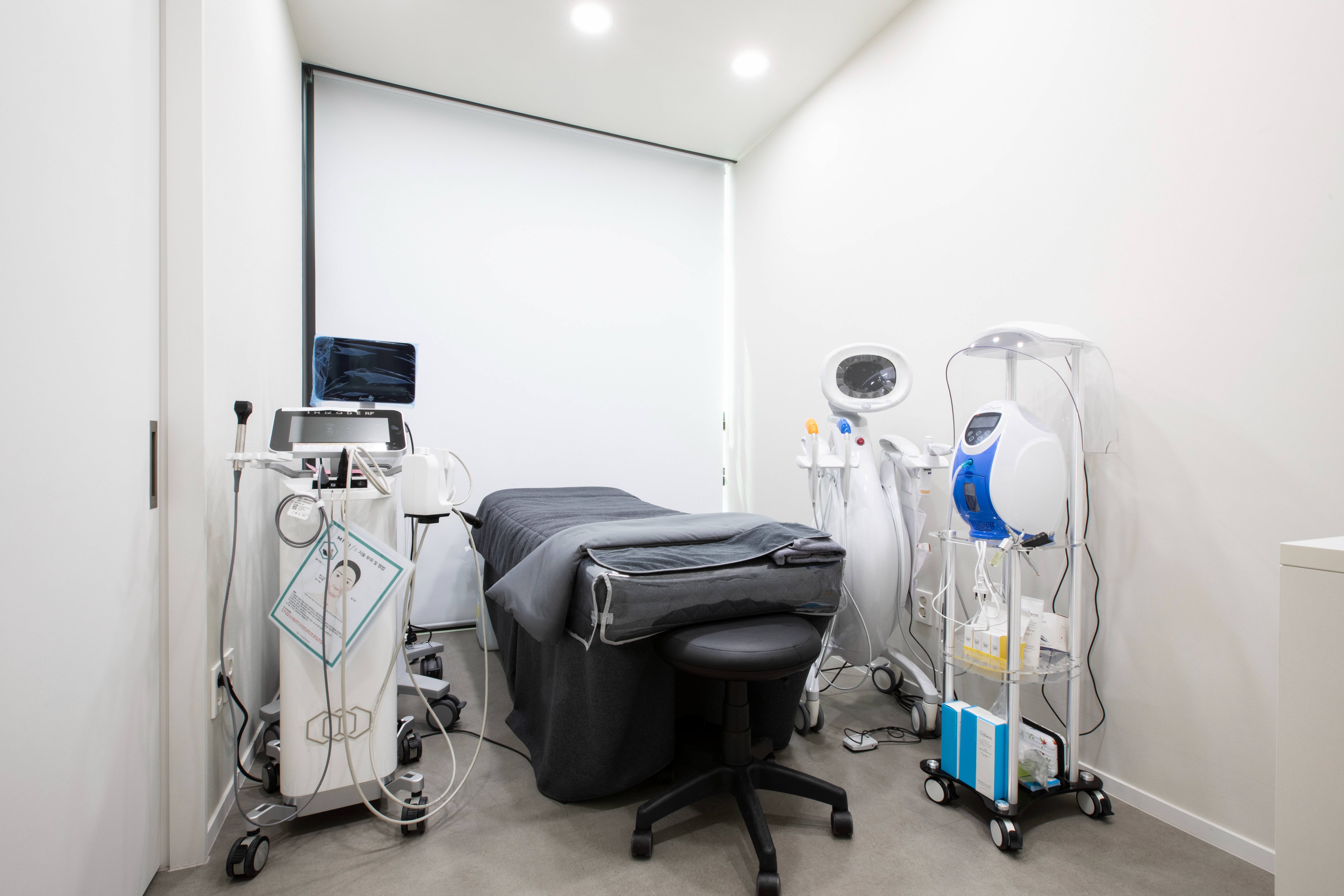
It is also important to understand that a treatment recommendation is not the same as a guarantee of a particular result. The response and timing can vary by individual. Ask how the clinic approaches follow-up and how to contact the medical staff if you have a concern after treatment. ODE Clinic describes a private-room procedure and customized care as parts of its medical system. Clear communication before and after treatment helps ensure you know what to expect and where to direct questions. Do not hesitate to ask for an explanation if any part of the plan is unclear.
Consider cost and practical arrangements
Cost is one element of treatment planning, alongside the treatment goal, timing, and other considerations. ODE Clinic lists Thermage FLX at ₩2,300,000 for 600 shots and ₩2,700,000 for 900 shots, before VAT. The relevant option depends on the assessment and proposed treatment design. Discuss the applicable cost and any details of the plan during consultation before making a decision.
For the visit, note your main questions so you can cover them during consultation. Confirm the planned treatment area, shot count, and follow-up approach before proceeding. If you are considering other treatments as well, ask how they fit with the Thermage plan and whether they should be discussed separately. A clear agreement on the plan and cost helps you make a considered choice without treating shot count as the only deciding factor.
ODE Clinic is located at 8F, 340 Gangnam-daero, Gangnam District, Seoul. To discuss a consultation, contact the clinic by phone or use its available booking channels. When arranging a visit, explain that you are interested in Thermage and would like to discuss whether it fits your concerns. The consultation can then focus on your goals, the relevant treatment options, and the details of an individualized plan.



Frequently Asked Questions
Q.What kind of clinic is ODE Clinic?
A.ODE Clinic is a dermatology clinic in Seoul offering lifting and tightening, volume, anti-aging, skin booster, and body program services. Thermage is among the energy-based treatments available.
Q.Who may consider Thermage at ODE Clinic?
A.People concerned about skin firmness, texture, or wrinkles may discuss Thermage with the medical staff. Whether it suits a particular concern depends on individual assessment.
Q.How is a Thermage treatment plan developed at ODE Clinic?
A.The plan is discussed through consultation, considering the patient’s concerns, treatment areas, and proposed shot count. Thermage can also be discussed alongside other available lifting and tightening options.
Q.What does Thermage FLX cost at ODE Clinic?
A.ODE Clinic lists Thermage FLX at ₩2,300,000 for 600 shots and ₩2,700,000 for 900 shots, before VAT. The suitable option should be discussed during consultation.
Q.Where is ODE Clinic, and how can I contact it?
A.ODE Clinic is at 8F, 340 Gangnam-daero, Gangnam District, Seoul. Call +82 2-569-0222 to ask about consultation and booking.
Clinic Information
| Clinic | Ode Clinic |
|---|---|
| Specialty | Dermatology |
| Address | Seoul, Gangnam District, Gangnam-daero, 340 8F |
| Phone | +82 2-569-0222 |
| Website | https://odeclinicseoul.com/en |
 Ode Clinic