How Ultherapy Prime lifting Seoul treatments work
Ultherapy Prime is a non-surgical lifting treatment that uses high-intensity focused ultrasound to deliver energy beneath the skin. The energy creates small thermal treatment points in deeper tissue, including the superficial muscular aponeurotic system, or SMAS. This tissue layer contributes to facial support and is an important consideration when addressing sagging. The treatment plan should reflect where laxity is present, rather than applying the same approach to every face. At Ode Clinic, the doctor discusses the treatment areas and goals before a plan is finalized.
Focused ultrasound and facial support
Focused ultrasound concentrates energy at selected depths beneath the skin. The resulting heat creates small zones of thermal coagulation that can cause tissue contraction and initiate a remodeling response. In practical terms, the procedure is intended to address facial laxity rather than add volume. This distinction matters for patients who notice both sagging and hollowing: the two concerns can occur together, but they do not necessarily call for the same treatment. An assessment helps identify which concern is most important to address first.
The SMAS is a layer of tissue involved in facial support. Ultherapy Prime is designed to reach deep tissue, including this layer, without surgical incisions. Treatment design also takes account of the visible contour above it: the cheeks, jawline and lower face can have different degrees of laxity and different amounts of facial fat. A plan should consider both the area being treated and the surrounding facial structure. During consultation, patients can describe whether a change is most noticeable at rest, in photographs or when viewed from a particular angle. That discussion gives the doctor a clearer starting point for identifying suitable treatment areas. The goal is not to promise a particular contour, but to decide whether ultrasound lifting is an appropriate option for the concern.
Ultherapy Prime targets deeper support tissues with focused ultrasound. Its role is to address laxity; it does not replace facial volume.
Areas that can be considered
Ultherapy Prime can be discussed for concerns around the eyebrows and eyelids, sagging cheeks, nasolabial folds, the jawline and the area beneath the chin. These areas differ in anatomy, so a treatment plan should not be based on a single description such as “full face.” At Ode Clinic, the consultation is an opportunity to identify which areas matter most to the patient and whether the proposed treatment is appropriate for those concerns.
A useful starting point is to distinguish the feature that bothers you from the change you hope to see. For example, a patient concerned about a less defined jawline may also notice laxity in the cheeks or fullness beneath the chin. These observations help frame the discussion, but they do not establish which area should receive treatment. The doctor assesses the face and explains the proposed approach before the plan is finalized. Facial volume is particularly important to discuss if the cheeks already appear hollow or if preserving fullness is a priority. Treatment can be designed with that concern in mind, although an assessment is needed to determine suitability. Patients should also ask how the intended changes relate to their own anatomy, rather than relying on another person’s result as a prediction.
What changes to expect
Thermal contraction can occur after ultrasound energy is delivered, while the tissue-remodeling process continues over time. Visible changes and their timing depend on individual condition. A consultation is the appropriate place to discuss what the treatment is intended to address and what degree of change may be realistic. Ultherapy Prime should not be presented as a substitute for every approach to facial aging, particularly when a patient’s main concern is loss of volume rather than laxity.
Ode Clinic uses diagnostic photographs for before-and-after comparisons and offers follow-up consultations. Consistent photographs can help make subtle changes easier to review than memory alone. When discussing progress, patients can ask the doctor to revisit the areas identified during the initial assessment. The clinic’s published treatment information describes a maintenance interval of six to twelve months, but the timing of any further treatment should be considered individually.
| Concern discussed | Planning consideration |
|---|---|
| Sagging cheeks | Assess laxity alongside existing facial volume. |
| Jawline or area beneath the chin | Discuss the contour change the patient wants to address. |
| Eyebrows and eyelids | Assess the area before deciding whether treatment is appropriate. |
The table is a starting point for discussion, not a prescription for treatment. Facial features do not change in isolation, and a concern visible in one area can be influenced by the tissues around it. Patients who have a specific goal can bring photographs or describe when the concern is most noticeable. The doctor can then explain how the proposed treatment relates to that goal and whether another approach deserves consideration.
Planning Ultherapy Prime lifting Seoul at Ode Clinic
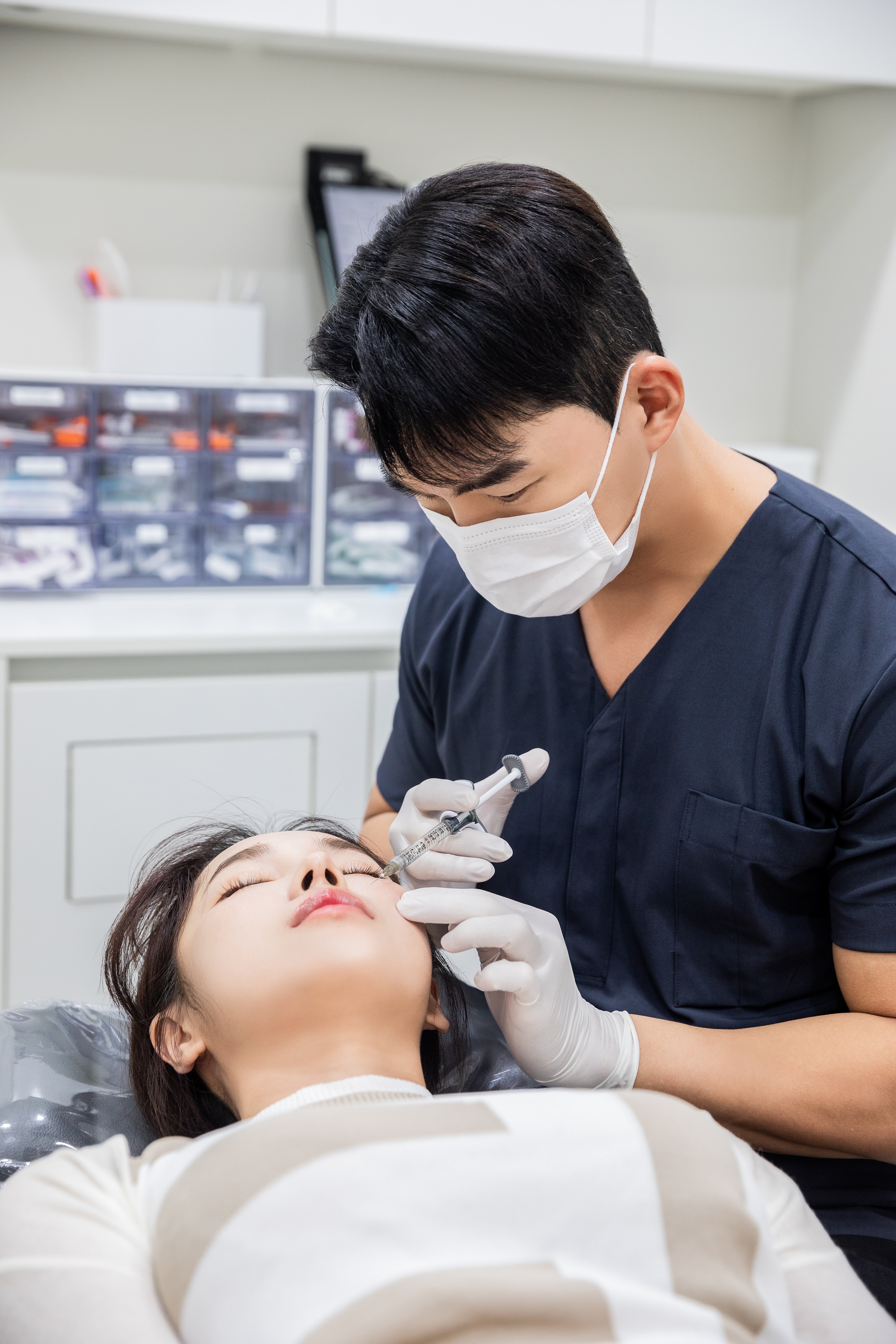
Ode Clinic follows a consultation-led approach to lifting treatments. The process begins with arrival and a one-on-one consultation with the chief director, followed by a further discussion to finalize the plan. Treatment is carried out in a private room, and personalized care is provided afterward. The value of the consultation is not simply choosing a device: it is deciding whether the treatment, target areas and anticipated changes match the patient’s concerns.
Assessment and treatment design
During the initial consultation, explain the areas you want to address and what you would prefer to preserve. Some patients prioritize a more defined lower-face contour; others are concerned about sagging while wanting to retain cheek fullness. The doctor can assess these priorities alongside facial structure and discuss the proposed treatment design. This is also a suitable time to mention previous aesthetic procedures and any concerns about discomfort or recovery.
A treatment name alone does not describe the full plan. The areas selected and the way treatment is distributed should follow the assessment. Patients can ask the doctor to identify the intended treatment areas, explain why those areas were chosen and describe the changes the procedure is intended to address. If the concern involves both laxity and loss of volume, ask how each component affects the recommendation. Ode Clinic’s medical staff have clinical experience with lifting procedures and injectable treatments, including fillers. That experience informs a discussion of different concerns without assuming that every patient needs the same approach. The clinic also considers factors such as the patient’s needs, expected timing of changes, cost and potential side effects when discussing treatment recommendations.
A useful consultation connects the treatment design to the patient’s actual concern. It should also leave room to discuss facial volume, expected changes and any questions before proceeding.
Re-consultation and the procedure
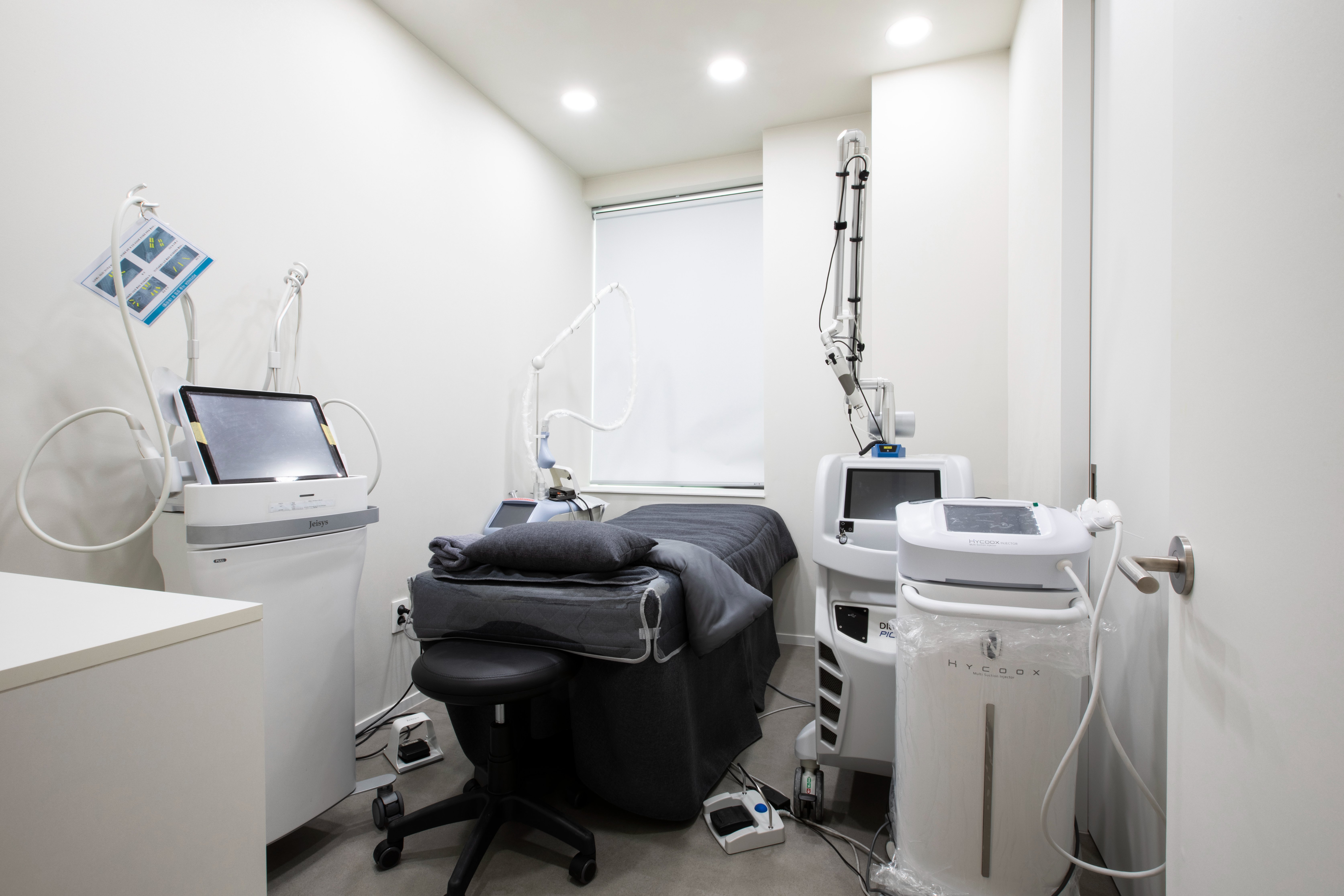
After the initial consultation and design, Ode Clinic includes a further consultation to finalize the treatment plan. This gives patients another opportunity to clarify the intended areas, ask about comfort and review the proposed approach. The procedure then takes place in a private, single-person room. Patients who are uncertain about any part of the plan should raise that concern before treatment begins rather than assuming that every session follows an identical pattern.
Discomfort is an important part of the discussion. Ode Clinic offers nitrous oxide sedation as an option for Ultherapy, rather than sleep anesthesia. Whether that option is appropriate should be discussed with the doctor in light of the patient’s circumstances. Patients can also ask what sensations to expect during treatment and how to communicate if they feel uncomfortable. Comfort measures do not replace an assessment of suitability. Before proceeding, tell the doctor about relevant medical conditions, medications and prior treatments so these can be considered in the plan. Once the approach is agreed, the treatment is performed in the private room. The objective is a clear, informed process: the patient understands the areas being addressed and has an opportunity to ask questions before the procedure starts.
Care after treatment
After the procedure, Ode Clinic provides personalized post-procedure care before the patient leaves. Ask the medical staff what to expect in the treated areas, which activities or products to avoid, and whom to contact if a concern arises. The appropriate advice depends on the treatment performed and the individual patient. Keeping the instructions from the visit accessible can make it easier to follow the plan once you return home.
Follow-up is also a chance to review the original goals. Rather than judging the result immediately against a photograph from another patient, compare changes in the areas discussed during consultation. Ode Clinic uses diagnostic photographs and follow-up consultations to support that review. Changes may take time depending on individual condition, and any decision about further treatment should follow an individual assessment.
If you are visiting Seoul for a limited period, explain your schedule during consultation. This allows the doctor to discuss the treatment plan and post-procedure guidance in the context of your visit. Ask how follow-up can be arranged and what to do if you notice an unexpected change after leaving. Planning these details in advance is as practical as deciding which facial area to treat.

Points to consider before Ultherapy Prime lifting Seoul
Choosing a lifting treatment involves more than comparing device names. Facial anatomy, existing volume, the nature of the concern and the patient’s expectations all matter. It is equally important to understand potential discomfort, the planned follow-up and the cost of the proposed treatment. Ode Clinic’s approach is to discuss these factors during consultation rather than assume that one treatment design suits everyone.
Suitability and facial volume
Patients concerned about sagging around the cheeks, brows, jawline or under the chin can ask whether Ultherapy Prime is appropriate. The doctor should also assess concerns that ultrasound lifting does not directly address, such as a loss of facial fullness. For someone with a lean face, treatment design deserves particular attention. The clinic’s approach considers facial fat and aims to plan treatment with concern about hollowing in mind.
Bring a clear description of your priorities to the consultation. If your main concern is a fold or shadow, explain whether it is accompanied by sagging, hollowing or a change in skin firmness. These distinctions help the doctor discuss the role of ultrasound lifting and whether another treatment approach may be relevant. Previous procedures are also worth mentioning because they form part of the context for an assessment. Patients do not need to decide in advance which device or combination is right for them. A treatment recommendation should follow the assessment, not precede it. If the proposed plan does not match your goal, ask the doctor to explain the reasoning and what the treatment is expected to address. This makes the decision more informed without setting an unrealistic expectation.
The right question is not simply whether a treatment can be performed, but whether it addresses the concern you want to change. Facial volume and realistic expectations are central to that decision.
Comfort, recovery and cost
Ultrasound treatment can involve discomfort, and patients should discuss potential side effects and recovery with the doctor before proceeding. Ask what sensations are expected, what signs should prompt contact with the clinic and how any comfort option would be used. The discussion should take account of your medical history and circumstances. If changes after treatment cause concern, contact the medical staff for advice rather than relying on a general recovery timeline.
For Ultherapy Prime, Ode Clinic lists a price of ₩350,000 for 100 treatment shots, excluding value-added tax. The total for a proposed treatment depends on the plan discussed during consultation. Ask how the recommended treatment areas and shot count relate to the quoted cost, and whether any additional charges apply. Cost is useful information, but it should be considered alongside the treatment design, expected changes and post-procedure care. A lower or higher shot count alone does not explain where energy will be delivered or whether the plan addresses your priorities. Before agreeing to treatment, make sure you understand both the proposed approach and the associated charges.
Preparing for a visit
Before your appointment, make a short list of the areas you want to discuss and any questions about comfort, recovery or cost. Note relevant medical conditions, medications and previous aesthetic treatments so you can share them with the doctor. If preserving facial fullness is important to you, say so during the assessment. Clear information helps the consultation focus on the concerns that matter most to you.
It can also help to think about how much change you expect and when you hope to see it. The doctor can explain how those expectations relate to the proposed treatment and your individual condition. If you are considering treatment before travel or a particular event, mention the timing. The clinic can discuss post-procedure guidance and follow-up as part of the plan.
Ode Clinic is open Monday through Friday from 11:30 AM to 8:30 PM and Saturday and Sunday from 10:00 AM to 4:00 PM, without a lunch break. Allow time for the consultation and treatment process, including the discussion that finalizes the plan. If you have questions about arranging a visit, contact the clinic before traveling.



Frequently Asked Questions
Q.What does Ode Clinic offer for facial lifting?
A.Ode Clinic offers Ultherapy Prime, a focused ultrasound treatment intended to address facial laxity. Treatment planning includes a one-on-one consultation and an assessment of the patient’s concerns.
Q.Who might consider Ultherapy Prime?
A.Patients concerned about sagging around the cheeks, eyebrows, jawline or beneath the chin can discuss the treatment with the doctor. Facial volume and the patient’s goals are considered when assessing suitability.
Q.What happens during the treatment process?
A.The process includes consultation and treatment design, a further consultation to finalize the plan, treatment in a private room and personalized post-procedure care.
Q.How much does Ultherapy Prime cost?
A.Ode Clinic lists ₩350,000 for 100 treatment shots, excluding value-added tax. The total depends on the proposed treatment plan.
Q.Where is Ode Clinic, and how can I contact the clinic?
A.Ode Clinic is at 8F, Gyeongwon Building, 340 Gangnam-daero, Gangnam-gu, Seoul. Call +82 2-569-0222 to ask about a visit.
Clinic Information
| Clinic | Ode Clinic |
|---|---|
| Specialty | Dermatology |
| Address | Seoul, Gangnam District, Gangnam-daero, 340 8F |
| Phone | +82 2-569-0222 |
| Website | https://odeclinicseoul.com/en |
 Ode Clinic