
Natural lifting clinic Seoul: understanding your options
A natural-looking result begins with identifying what has changed. Some people notice looser skin, while others are more concerned about a change in facial contours or a loss of volume in the cheeks. These concerns can overlap, but they do not always call for the same treatment. At Ode Clinic, the treating doctor assesses the skin and discusses the patient’s goals before recommending an approach. The aim is to select a treatment plan that reflects the individual’s facial features rather than applying a uniform procedure.
Lifting, tightening, and volume are different goals
Lifting generally refers to addressing the position of sagging tissue, while tightening focuses on skin firmness. Volume treatments address areas that appear hollow or less full. For example, someone concerned about a softer jawline may have different priorities from someone who notices fine lines and reduced skin elasticity. The distinction matters because a treatment designed primarily for one concern may not address another in the same way.
Ultrasound, radiofrequency, and injectable treatments work through different mechanisms. Ultherapy Prime uses focused ultrasound to target deeper tissue, while Thermage FLX uses radiofrequency energy to encourage collagen contraction and remodeling in the skin. Injectable volume treatments take a different approach, placing material in selected areas or stimulating collagen production over time. During consultation, describe the area that concerns you and the kind of change you hope to see. A treatment name alone does not tell you whether it matches your goal. The doctor can also consider skin thickness, facial volume, and the extent of sagging when discussing the options.
Natural-looking treatment starts with a clear diagnosis of the concern, not a predetermined device. Lifting, tightening, and restoring volume each have a different role, and the treatment plan should reflect that distinction.
Ultherapy Prime for focused ultrasound lifting
Ultherapy Prime uses high-intensity focused ultrasound to create targeted thermal points in deeper tissue, including the superficial muscular aponeurotic system, or SMAS. It is an option to discuss when sagging around the cheeks, brows, or jawline is the primary concern. Treatment design matters for patients with less facial fat, who may be concerned about looking hollow after an energy-based procedure.
At Ode Clinic, the treating doctor considers the patient’s facial structure and areas of concern when planning treatment. Some tissue contraction can occur after treatment, while further changes may take time and differ between individuals. The consultation is also an opportunity to discuss discomfort and the use of nitrous oxide sedation. Rather than choosing ultrasound because it is described as a lifting treatment, ask how the proposed treatment areas relate to the change you want and whether skin firmness or volume also needs attention.
Radiofrequency for skin firmness
Thermage FLX delivers monopolar radiofrequency energy to the skin, where heat encourages collagen contraction and remodeling. It is generally discussed as a tightening treatment: the focus is on firmness and texture rather than a dramatic shift in facial contours. Changes may develop gradually, so the timing of visible improvement is an important part of setting expectations.
Density Alpha is another radiofrequency option at Ode Clinic. It delivers bipolar and monopolar energy in sequence to address different skin layers. DEEP MODE XERF uses dual-frequency radiofrequency energy and is designed to address deeper tissue as well as skin elasticity. These treatments are not interchangeable simply because they use radiofrequency. The treating doctor can explain how the treatment area and your main concern influence the choice.
| Method | Approach | Primary discussion point |
|---|---|---|
| Ultherapy Prime | Focused ultrasound | Deeper tissue and facial sagging |
| Thermage FLX | Monopolar radiofrequency | Skin firmness and texture |
| Density Alpha | Sequential bipolar and monopolar radiofrequency | Firmness across skin layers |
| DEEP MODE XERF | Dual-frequency radiofrequency | Facial contours and elasticity |
The most useful comparison is not which device sounds stronger, but which approach addresses the concern identified during your assessment. Treatment settings and areas are selected individually, and results cannot be predicted solely from the device name. If you have had an energy-based treatment before, tell the doctor what you received and how your skin responded. That history can help guide a discussion about whether to repeat a treatment, consider another method, or focus on a different concern.

Natural lifting clinic Seoul: comparing treatment approaches
A treatment plan can address more than one feature, but combining procedures is not automatically necessary. Ode Clinic offers energy-based lifting and tightening alongside injectable volume treatments and skin boosters. The doctor discusses the patient’s needs, expected timing, potential side effects, and cost before recommending a plan. For someone seeking a subtle change, this discussion is especially useful: it helps establish whether the priority is a firmer skin surface, support for sagging tissue, or a more balanced appearance in an area that has lost volume.
DEEP MODE XERF and Thermage FLX
Both DEEP MODE XERF and Thermage FLX use radiofrequency energy, but their treatment approaches differ. Thermage focuses on collagen contraction and remodeling in the skin and is commonly considered for elasticity and fine lines. Ode Clinic uses XERF in DEEP MODE, with dual frequencies intended to address deeper tissue as well as elasticity. The doctor can discuss which approach is more consistent with the patient’s examination and goals.
Neither treatment should be expected to create the same type of change in every patient. Skin condition, facial anatomy, the areas treated, and the selected treatment plan all matter. Thermage changes develop gradually as collagen remodeling occurs; the timing and extent of visible change differ from person to person. XERF treatment includes cooling, and the doctor can explain what to expect during the session. Ask about the intended treatment areas and how progress will be assessed, rather than relying on a device comparison alone. Ode Clinic uses diagnostic photographs and follow-up consultations to help patients review changes.
Radiofrequency treatments can address firmness and, depending on the approach, facial contours. A consultation should clarify the intended change, the treatment area, and how progress will be reviewed.
Volume treatments and skin boosters
Lost facial volume can contribute to a tired or hollow appearance, but tightening alone does not replace that volume. Ode Clinic offers filler treatments and collagen-stimulating options, including Juvelook Volume. Filler is placed in selected areas to add volume, while Juvelook Volume is designed to encourage the body’s own collagen production over time. The doctor can discuss whether an injectable approach is appropriate for the area of concern.
Skin boosters serve a different purpose. Re2O is a skin booster used to address concerns such as elasticity, texture, fine lines, and pores. Juvelook Skin is designed for the skin layer and should not be confused with Juvelook Volume, which is used for volume concerns. These treatments are not direct substitutes for a lifting procedure when sagging is the main concern. They may instead form part of a plan focused on skin quality, depending on the assessment. Before choosing an injectable treatment, discuss the proposed product, treatment area, expected timing, and possible reactions with the doctor.
Matching the method to your priorities
If sagging is your main concern, ask how a focused ultrasound treatment compares with the available radiofrequency options. If the concern is primarily loose or less firm skin, a tightening treatment may be worth discussing. If a hollow area is what you notice first, an assessment of facial volume may be more useful than choosing a device in advance. These are starting points for discussion, not prescriptions for a particular treatment.
It also helps to explain what you mean by “natural.” You might prefer a gradual change, want to preserve your facial contours, or wish to avoid adding noticeable volume. Bring up any previous procedures and any concerns about discomfort or recovery. The doctor can then explain the available options in relation to those preferences and help you decide whether treatment is appropriate.
| Your priority | What to discuss |
|---|---|
| Sagging around the cheeks or jawline | Whether a lifting approach is appropriate |
| Reduced skin firmness | Radiofrequency tightening and the expected timing of change |
| Hollow-looking areas | Filler or collagen-stimulating volume treatment |
| Texture and fine lines | Whether a skin booster suits your skin condition |
Before-and-after photographs can make a gradual change easier to review, especially when the goal is improved firmness rather than a pronounced contour change. Ode Clinic offers diagnostic imaging and follow-up consultations for this purpose. Photographs are a discussion tool, not a promise of a particular outcome. Ask the doctor when a review would be useful for your chosen procedure and what changes are realistic to look for in the treated area.
Natural lifting clinic Seoul: planning your visit to Ode Clinic
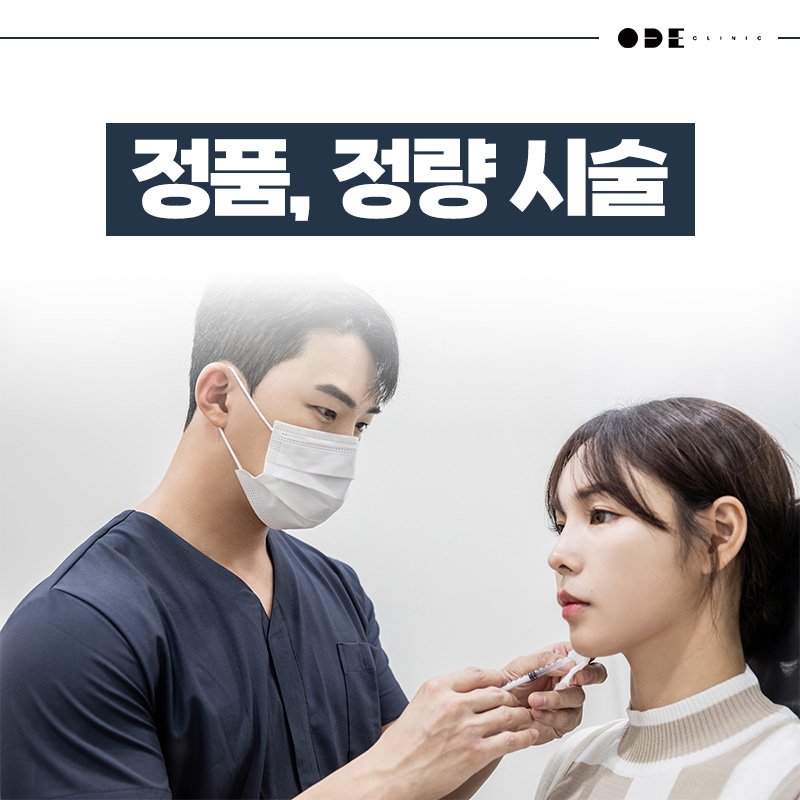
A useful consultation gives you enough information to make an informed decision without committing to a device beforehand. At Ode Clinic, consultations are conducted directly by the treating doctor, and procedures take place in private rooms. The discussion can cover your concerns, treatment history, preferences, and the practical details of a proposed plan. Individual assessment is important because the same concern can have different contributing factors, including skin laxity and volume loss.
What to prepare for your consultation
Think about which facial areas you would most like to discuss and whether your concern is recent or long-standing. Note any previous aesthetic procedures, including the treatment name if you know it and how your skin responded. Tell the doctor about relevant medical conditions, medications, and any prior reactions. This information helps the medical staff consider your individual circumstances before recommending a procedure.
It can also help to prepare questions about the proposed treatment. Ask which concern it is intended to address, how changes typically develop, and whether more than one appointment is recommended. If you are considering an injectable treatment, ask what product will be used and why it has been selected for the area. If you are considering an energy-based procedure, ask about the treatment areas and comfort measures. Ode Clinic’s approach emphasizes genuine products and precise dosages, as well as attentive discussion before and after treatment. You can take time to consider the explanation before deciding whether to proceed.
The consultation is the place to connect your goals with a suitable treatment plan. Share your history and preferences, and ask the doctor to explain the expected course and considerations for the proposed procedure.
Points to consider before treatment
Every procedure has considerations that should be discussed in advance. Energy-based treatments can cause temporary redness, swelling, or a sensation of heat; burns or blistering can occur rarely. Injectable treatments can also cause reactions at the treatment site. The doctor can explain the relevant risks for the specific procedure, along with any preparation or aftercare instructions suited to your circumstances.
Comfort and recovery expectations also differ by treatment. Ode Clinic offers nitrous oxide sedation for Ultherapy and Thermage, and some devices include cooling during treatment. Discuss any concerns about discomfort before your appointment so the doctor can explain the available approach. Changes may take time depending on your individual condition and the treatment selected. A gradual change is part of how some collagen-remodeling treatments work, not a sign that every patient will follow the same timeline. Ask when to contact the medical staff about a reaction and when a follow-up review is appropriate.
Reviewing your plan and progress
Before treatment, make sure you understand the recommended procedure, the area to be treated, and the expected course of care. Ask for the cost of the proposed plan during your consultation; it will depend on the procedure and the individual treatment design. If a sequence of appointments is suggested, discuss the purpose of each visit and whether the plan can be reviewed as your concerns change.
After treatment, follow the instructions given by the medical staff and attend any recommended review. Ode Clinic uses diagnostic photographs to support before-and-after comparisons and offers follow-up consultations. A review gives you and the doctor an opportunity to discuss the changes you notice, any concerns, and whether further care is appropriate. Results differ between individuals, so a later decision should be based on your own assessment rather than a fixed schedule alone.
The most informed choice is the one that connects your goal with a clear explanation of the method, its limitations, and the care involved. Whether you are considering ultrasound, radiofrequency, or an injectable treatment, start by describing what you want to address. Ode Clinic can then discuss a personalized approach that takes your skin condition and preferences into account.



Frequently Asked Questions
Q.What does Ode Clinic offer?
A.Ode Clinic is a dermatology clinic offering lifting and tightening, volume treatments, skin boosters, anti-aging care, and body programs. Treatment recommendations are personalized after consultation with the treating doctor.
Q.Who might consider a consultation at Ode Clinic?
A.A consultation can help people concerned about facial sagging, reduced skin firmness, or loss of volume discuss which approach fits their individual condition.
Q.What lifting and tightening treatments are available?
A.Ode Clinic offers Ultherapy Prime, Thermage FLX, DEEP MODE XERF, and Density Alpha. The doctor discusses the differences and recommends a plan based on the patient’s concerns.
Q.What should I prepare before a consultation?
A.Be ready to discuss your main concerns, previous procedures, relevant medical history, and preferences for treatment and recovery.
Q.Where is Ode Clinic, and how can I contact the clinic?
A.Ode Clinic is at 8F, 340 Gangnam-daero, Gangnam District, Seoul. Call +82 2-569-0222 to discuss an appointment.
Clinic Information
| Clinic | Ode Clinic |
|---|---|
| Specialty | Dermatology |
| Address | Seoul, Gangnam District, Gangnam-daero, 340 8F |
| Phone | +82 2-569-0222 |
| Website | https://odeclinicseoul.com/en |
 Ode Clinic