
Customized treatment planning for different skin goals
Customized treatment planning starts by clarifying what a patient wants to address, rather than selecting a procedure first. Concerns such as facial sagging, reduced volume, skin texture, and body contouring can call for different approaches. At Ode Clinic, a one-on-one consultation helps connect the patient’s goals with relevant treatment categories. The purpose is to create a plan around the concern being assessed, not to apply one standard treatment to everyone. The doctor can discuss the available options and how their intended roles differ before a final plan is agreed.
Start with the concern, not the device
A useful consultation begins with a clear description of the concern: where it appears, what change the patient hopes to address, and which outcomes matter most. For example, lifting and tightening treatments, volume treatments, and skin boosters have different purposes within the clinic’s service range. Identifying the main goal first can make the options easier to compare. The doctor can then assess which category is relevant and discuss whether a particular approach fits the patient’s needs.
Ode Clinic’s services include volume, lifting and tightening, anti-aging, skin boosters, and body programs. These categories give patients a framework for discussing different concerns without assuming that one treatment suits every situation. A person focused on facial contour may want to discuss lifting or volume options, while someone focused on skin condition may ask about skin boosters. The doctor’s consultation and design step is intended to connect the concern with a considered treatment plan. It is reasonable to ask what a proposed treatment is intended to address and how it differs from other options. The final choice should follow the consultation rather than a device name alone.
Begin with the concern you want to address, then compare treatments by their purpose. A consultation is most useful when it connects those goals to a plan that has been reviewed with the doctor.
Compare treatment approaches by their purpose
Different treatment categories serve different planning needs. Lifting and tightening options are considered for firmness and sagging concerns, while volume treatments address areas where added volume is being considered. Skin boosters are another category within the clinic’s dermatology services. These categories are not interchangeable, so the discussion should focus on the treatment goal and the patient’s assessment. The doctor can explain which options are relevant and review the plan before treatment.
Ode Clinic’s listed treatments include Ultherapy, Thermage, XERF, Re2O, and other options within its lifting, skin booster, and volume services. The presence of multiple approaches allows the consultation to consider more than one category rather than treating every concern as a device-selection question. Depending on the patient’s needs, timing of results, duration of effects, cost, and potential side effects are all factors that can be weighed in the discussion. These considerations help make the choice more specific to the individual. They do not mean every treatment category will be appropriate for every person, which is why assessment and plan review remain important.
Review volume options and listed prices
For patients discussing volume treatments, product choice and the area being considered are part of the planning conversation. Ode Clinic lists several options, including Hilowave, Juvelook Volume, Sculptra, Olidia, Radiesse, Ultracol 200, and ODE Filler. Their listed units differ, so it is important to read each price alongside the specific product and amount shown. These prices are a reference for the named treatment only. The final plan should be discussed during consultation.
Price comparison is most useful when the treatment name and unit match exactly. For example, a price listed per vial should not be compared as if it were a per-session amount, and a per-cc filler price should not be read as the total cost of a plan. The number of products or units considered depends on the consultation and treatment design. Rather than choosing solely by the lowest listed amount, patients can ask how each option relates to their goal and what the treatment involves. Ode Clinic’s consultation and re-consultation steps provide time to clarify the proposed plan before the procedure.
| Treatment | Listed unit | Listed price |
|---|---|---|
| Hilowave | 2 cc | KRW 600,000 |
| Juvelook Volume | 1 vial | KRW 490,000 |
| Sculptra | 1 vial | KRW 690,000 |
| Olidia | 1 vial | KRW 590,000 |
| Radiesse | 1 vial | KRW 850,000 |
| Ultracol 200 | 1 vial | KRW 490,000 |
| ODE Filler | 1 cc | KRW 250,000–450,000 |
Use the listed amounts as treatment-specific pricing information, not as a complete estimate for an individual plan. Product, unit, and treatment design should be confirmed in the consultation. If a patient is comparing different options, it can help to ask what each is intended to address and whether the proposed unit matches the plan being discussed. A clear comparison is based on the same treatment goal and the exact product unit.

Customized treatment planning through consultation and design
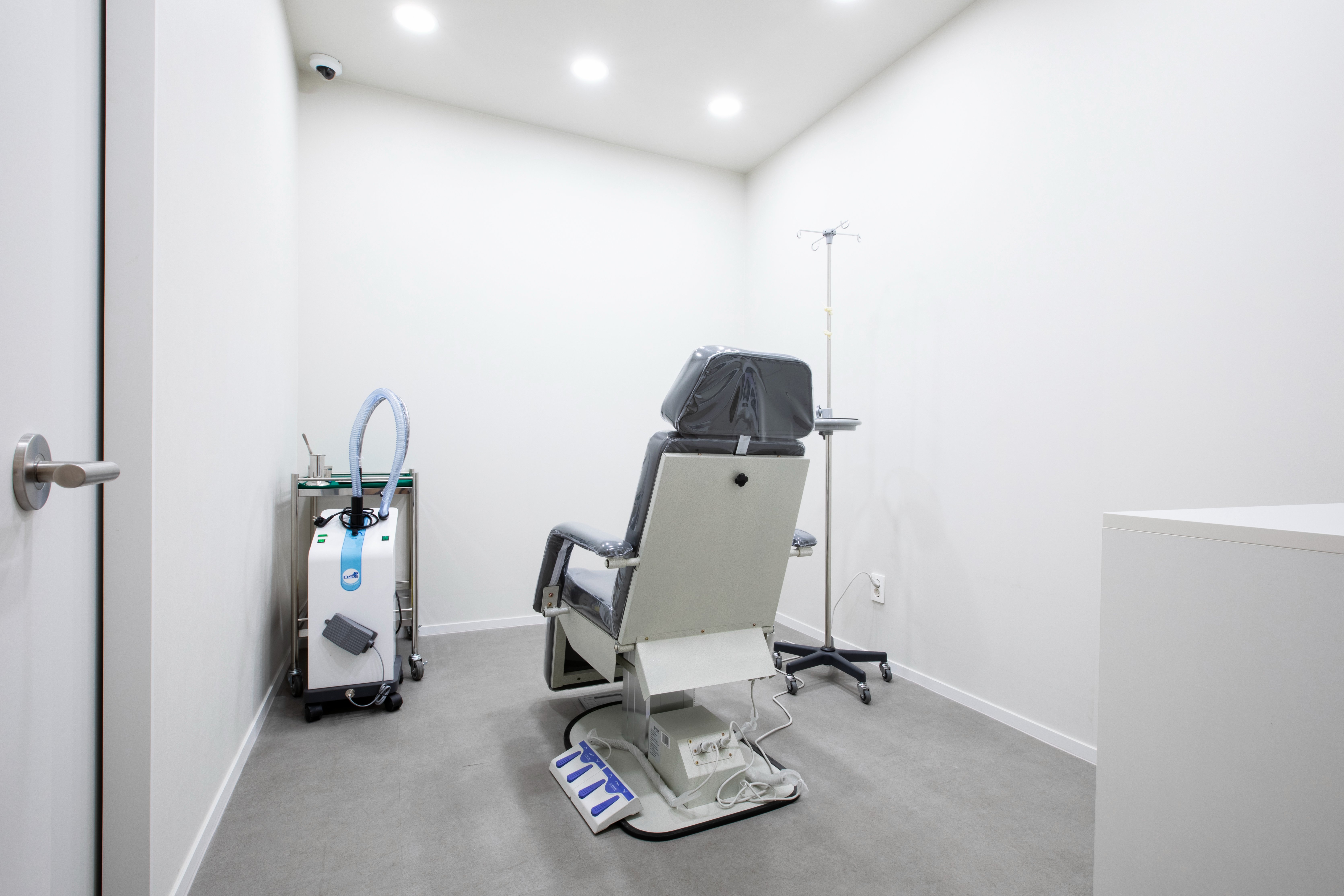
A treatment plan is developed through a sequence of conversations and care steps. At Ode Clinic, the process moves from arrival to one-on-one consultation and design, followed by re-consultation to finalize the plan. The procedure takes place in a private, single-person room, and personalized care follows treatment. This staged process gives patients an opportunity to discuss options and review the plan before proceeding. It also makes consultation, treatment, and aftercare part of one connected visit.
Use the first consultation to define priorities
During the one-on-one consultation, the patient and doctor discuss the treatment goal and design an approach. Patients can explain their main concerns and ask how the relevant treatment categories differ. The conversation may also cover timing of results, duration of effects, cost, and potential side effects, which are factors Ode Clinic considers when discussing recommendations. Sharing priorities clearly helps keep the plan focused on the patient’s needs.
Patients do not need to arrive with a procedure already selected. If they have been considering a treatment, they can raise it as part of the discussion, while remaining open to the doctor’s assessment. A plan is more informative when it explains the intended role of the treatment, rather than relying on a product or device name alone. The consultation is also an opportunity to raise questions about the treatment process and personalized care afterward. The goal is to leave with a clear understanding of the approach being considered. At Ode Clinic, treatment design is discussed one-on-one with the doctor, not treated as a one-size-fits-all choice.
A consultation should turn a general concern into a treatment discussion the patient can understand. Defining priorities first makes it easier to review the proposed design and decide whether it addresses the goal.
Re-consult before finalizing the plan
After the initial consultation and design, Ode Clinic includes a re-consultation to finalize the treatment plan through a detailed follow-up discussion. This step is useful for revisiting the proposed approach and clarifying any questions that remain. Patients can confirm which concern the plan is intended to address and review relevant considerations before treatment. Finalizing the plan is a separate step from simply arriving with a preferred treatment in mind.
Before agreeing to proceed, patients can ask the doctor to explain the treatment category, the reason it is being considered, and what the visit will involve. If the discussion includes pricing, confirm that the amount relates to the exact product and unit being planned. Patients may also wish to revisit the factors involved in a recommendation, including their needs, timing of results, duration of effects, cost, and potential side effects. This follow-up consultation is part of the clinic’s six-step medical system, not an optional detail in the process described. It helps make the treatment plan clearer before the private-room procedure begins.
Understand the full visit sequence
The visit begins with arrival at the clinic. The next steps are a one-on-one consultation and design, then a re-consultation to finalize the plan. Treatment is conducted in a private, single-person room. Afterward, Ode Clinic provides customized care before the patient departs. Knowing the sequence can help patients understand how planning, treatment, and post-procedure care fit together.
Because the sequence includes both design and follow-up discussion, patients can use the visit to clarify the plan before the procedure. It may be helpful to arrive ready to describe the main concern and to ask questions that have arisen while considering treatment. The clinic’s stated process includes a private room for the procedure and personalized post-procedure management. The six steps conclude with departure after the services are complete. Patients should follow the care guidance given for their own procedure, since the appropriate instructions depend on the treatment performed.
| Step | What happens |
|---|---|
| Arrival | Visiting the clinic |
| 1:1 Consultation & Design | Consultation with the doctor to design the treatment |
| Re-consultation | Detailed follow-up consultation to finalize the plan |
| Private Room Procedure | Treatment in a private, single-person room |
| Customized Care | Personalized post-procedure management |
| Departure | Returning home after services are complete |
Patients can use this sequence as a practical guide to the visit, while keeping in mind that the treatment plan itself is personalized. The consultation and re-consultation are the points to discuss the intended approach and clarify questions. After treatment, customized care is part of the process before departure. Following the guidance provided for the specific procedure is the appropriate way to approach aftercare.
Customized treatment planning for informed decisions
Informed treatment planning involves more than comparing procedure names. Patients can consider how an option relates to their concern, what the proposed visit includes, and which factors matter to them. Ode Clinic’s services span lifting and tightening, volume, skin boosters, anti-aging, and body programs. The consultation can help narrow the discussion to relevant options and review the plan before treatment. A clear decision rests on understanding the proposed approach, its purpose, and the patient’s own priorities.
Ask focused questions during the discussion
Focused questions can help make a consultation more useful. Patients may ask what concern a proposed treatment is intended to address, how it differs from another option under discussion, and what the treatment sequence involves. If cost is a priority, ask which product and unit the quoted amount refers to. Specific questions make it easier to compare options on relevant terms. The doctor can discuss the plan in relation to the patient’s needs.
It can also help to explain which considerations are most important, such as timing of results, duration of effects, cost, and potential side effects. These are factors Ode Clinic identifies when weighing treatment recommendations. Patients who are unsure which category to explore can begin with the concern itself rather than trying to name a procedure. The doctor can then discuss relevant services and the design being considered. No single question guarantees a particular outcome, but asking for a clear explanation can support a more informed conversation. The patient’s priorities should remain part of the discussion from the first consultation through plan review.
Good planning is a shared discussion: patients explain what matters to them, and the doctor reviews options in that context. Understanding the purpose and details of the proposed approach helps patients make a more informed decision.
Consider how different service categories fit
Ode Clinic’s dermatology services include volume, lifting and tightening, anti-aging, skin boosters, and body programs. These categories provide different starting points for a conversation, depending on the concern the patient wants to address. The available treatment list includes options such as Ultherapy, Thermage, XERF, and Re2O. The relevant choice depends on the consultation and the treatment goal.
Patients can use the service categories to describe what they are seeking without assuming that a particular procedure is the only answer. For instance, someone exploring firmness concerns can ask about the lifting and tightening category, while someone considering skin boosters can ask how that category relates to their skin goals. Volume and body programs represent additional areas of service. The consultation is where the patient’s concern is matched with options for discussion. If more than one approach is considered, the doctor can explain the proposed plan and the factors behind it. Treatment names alone do not determine suitability, and individual assessment remains central to planning.
Prepare for the visit and follow-up care
Before visiting, patients can think through their primary concern, the result they hope to discuss, and any questions about treatment or cost. This preparation does not require choosing a procedure in advance. At Ode Clinic, the process includes a consultation and design, followed by a re-consultation to finalize the plan. Bring questions that will help you understand the proposed treatment and its role in your plan.
After the procedure, the clinic’s process includes customized post-procedure care before departure. Patients should pay attention to the instructions given for their treatment and raise any concerns with the medical staff. Since the appropriate care can depend on the procedure, general assumptions should not replace the guidance provided for an individual visit. Planning also includes understanding what happens after treatment, not only selecting an option beforehand. A complete discussion can cover the treatment design, the procedure setting, and the personalized care that follows, helping patients know what to expect throughout the clinic’s stated process.
Ode Clinic is located at 8F, Gyeongwon Building, 340 Gangnam-daero, Gangnam-gu, Seoul. Patients can contact the clinic at +82 2-569-0222 for booking or consultation questions. The clinic’s six-step process concludes with departure after the services are complete, with customized care included before leaving. Confirm the details of your own treatment plan during consultation.



Frequently Asked Questions
Q.What kind of dermatology care does Ode Clinic offer?
A.Ode Clinic offers volume, lifting and tightening, anti-aging, skin booster, and body program services. Treatment planning begins with a one-on-one consultation.
Q.Who may benefit from discussing a treatment plan?
A.People considering care for concerns related to volume, lifting and tightening, skin boosters, anti-aging, or body programs can discuss their goals with the doctor. The appropriate options depend on the individual consultation.
Q.How does the treatment process work at Ode Clinic?
A.The process includes arrival, a one-on-one consultation and design, re-consultation, a private-room procedure, customized care, and departure. The re-consultation is used to finalize the treatment plan.
Q.What should I prepare before a consultation?
A.Consider the concern you want to discuss and prepare questions about treatment purpose, the plan, and any relevant cost. You do not need to select a procedure before speaking with the doctor.
Q.Where is Ode Clinic, and how can I contact it?
A.Ode Clinic is at 8F, Gyeongwon Building, 340 Gangnam-daero, Gangnam-gu, Seoul. Call +82 2-569-0222 for booking or consultation questions.
Clinic Information
| Clinic | Ode Clinic |
|---|---|
| Specialty | Dermatology |
| Address | Seoul, Gangnam District, Gangnam-daero, 340 8F |
| Phone | +82 2-569-0222 |
| Website | https://odeclinicseoul.com/en |
 Ode Clinic