
Natural looking rejuvenation: choosing the right goal
Rejuvenation is not a single treatment category. A person concerned about a changing jawline may need a different discussion from someone focused on hollow cheeks or fine lines. At Ode Clinic, the starting point is a consultation about what has changed and which features the patient wants to preserve. Matching the treatment to the concern is more useful than choosing a device by name alone. The medical staff can consider skin condition, facial volume, treatment timing, and potential side effects before recommending an approach.
Lifting, tightening, and volume are different goals
Lifting addresses the appearance of sagging, while tightening focuses on skin firmness. Volume treatments address areas that appear hollow or have lost fullness. Skin boosters, meanwhile, are selected for concerns such as hydration, texture, or fine lines. These categories can overlap in a consultation, but they are not interchangeable. For example, a treatment intended to improve skin firmness should not automatically be expected to replace lost cheek volume.
Consider where the change is most noticeable. Sagging around the lower face, a less defined jawline, or a change in the position of the cheeks may prompt a discussion about lifting. A patient who is more concerned about skin that feels less firm may wish to compare radiofrequency tightening options. If the face looks more hollow, an injectable volume treatment may be more relevant than another energy-based session. The goal is to address the feature that concerns you without losing sight of the whole face. During consultation, describe the areas you would like to change and those you would prefer to leave alone. This gives the chief director a clearer basis for discussing whether a single method or a combination deserves consideration.
A natural-looking plan starts with a precise description of the concern, not a predetermined device. Lifting, tightening, volume, and skin quality each call for a different clinical conversation.
How facial anatomy affects the discussion
Skin thickness, facial fat, and the degree of sagging can influence which treatment is appropriate. A patient with limited facial fat, for example, may want to discuss treatment design and the possibility of a more hollow appearance. A patient with both sagging and volume loss may need those concerns assessed separately. Preserving facial character is a useful goal to communicate, but the treatment plan should still be based on an individual examination.
At Ode Clinic, the consultation is intended to replace a uniform approach with a personalized one. The chief director discusses the treatment design with the patient, followed by a detailed consultation to finalize the plan. This is an opportunity to ask where treatment would be applied and what kind of change the method is intended to produce. It is also reasonable to ask whether a proposed procedure addresses the main concern directly or supports another part of the plan. No treatment can promise a particular appearance, and the degree and timing of change depend on the individual. Bringing a clear description of your priorities helps keep the discussion focused on a result that remains consistent with your own features.
Setting realistic expectations
Subtlety means different things to different patients. Some want a fresher appearance without an obvious change in facial shape; others want to address a specific area that has become more noticeable. Explain what you mean by “natural” rather than assuming the term has one clinical definition. You can also ask how treatment effects are assessed and when a follow-up comparison would be useful.
Some treatments produce changes that develop gradually. For example, Thermage FLX is intended to improve firmness through collagen remodeling, and changes may take time depending on individual condition. Injectable methods also differ: some are intended to provide volume, while collagen-stimulating treatments work progressively. Understanding the expected timing is part of choosing a treatment that fits your priorities. Ask the doctor how the proposed method works and what a realistic assessment period would be for you.
| Primary concern | Treatment discussion | What to clarify |
|---|---|---|
| Visible sagging | Ultrasound-based lifting | Areas to treat and existing facial volume |
| Reduced skin firmness | Radiofrequency tightening | Expected changes and their timing |
| Hollow areas | Injectable volume treatments | Placement and the desired degree of fullness |
| Texture or hydration | Skin boosters | The main skin concern and delivery method |
This comparison is a starting point, not a substitute for an examination. A single area can show more than one type of change, and the most noticeable feature is not always the only relevant one. Ask the chief director to explain the proposed treatment area, the reason for selecting a method, and whether another option would address your concern differently. A clear explanation helps you weigh the plan against your preference for a restrained appearance.
Natural looking rejuvenation with lifting and tightening
Energy-based treatments use different technologies and are selected for different purposes. Ultherapy Prime uses focused ultrasound, while Thermage FLX and Density Alpha use radiofrequency. EMFACE combines muscle stimulation with radiofrequency. These options should not be judged solely by how familiar their names sound. The useful comparison is what each method is designed to address and whether that matches your anatomy. The doctor can discuss treatment areas, anticipated changes, comfort, and potential side effects before you decide.
Ultherapy Prime for a lifting discussion
Ultherapy Prime uses high-intensity focused ultrasound to create thermal coagulation points in deeper tissue. At Ode Clinic, it is discussed as a lifting option for concerns that can include sagging cheeks, the brow area, and the lower face. Treatment design matters, particularly when a patient is concerned about preserving facial fullness. Ask which areas would be treated and how the plan takes your existing facial fat into account.
Ultrasound lifting and radiofrequency tightening are often compared, but the distinction is important. Ultherapy is intended to address lifting, whereas Thermage is primarily discussed in terms of skin firmness and gradual collagen remodeling. That does not mean every patient with sagging should automatically choose ultrasound. The doctor’s examination and your preferences remain central to the decision. During consultation, describe whether your concern is a change in position, skin laxity, loss of fullness, or a combination. The medical staff can then explain how the proposed treatment relates to that concern and what it is not designed to do. If discomfort is a concern, ask about the options available for the proposed procedure as well as what to expect afterward.
Ultrasound lifting and radiofrequency tightening serve different purposes, even when both are discussed as rejuvenation treatments. The choice should reflect the feature you want to address and the facial volume you want to preserve.
Radiofrequency for skin firmness
Thermage FLX uses monopolar radiofrequency to heat the dermis and support collagen remodeling. Density Alpha uses sequential bipolar and monopolar radiofrequency. Both are discussed in relation to skin firmness rather than as direct substitutes for volume treatment. XERF is another radiofrequency option at Ode Clinic. The medical staff can explain the differences between these systems and how a proposed treatment relates to your skin condition.
For a patient seeking a restrained change, the expected character of the result matters as much as the technology. Thermage FLX is associated with gradual changes in firmness and texture rather than an immediate, dramatic shift in facial contour. Density Alpha also belongs in a tightening discussion, with the choice of treatment area and settings determined during assessment. Ask whether your concern is primarily skin laxity or whether tissue sagging or volume loss also needs consideration. It is reasonable to compare how each option is delivered, how treatment may feel, and when changes are usually assessed. The doctor can also explain potential reactions, including temporary redness or swelling, and discuss other risks relevant to the proposed treatment. Neither a device name nor a treatment category can predict an individual result.
EMFACE and other approaches
EMFACE combines synchronized radiofrequency with high-intensity facial muscle stimulation. It offers a different approach from focused ultrasound or radiofrequency tightening alone, so the discussion should center on the patient’s facial concerns rather than treating the methods as interchangeable. Onda Lifting, which uses microwave energy, is another option available at Ode Clinic. Each treatment has a distinct purpose and should be considered in relation to the intended treatment area.
Some patients ask whether treatments should be combined. A combination may be discussed when concerns involve more than one feature, but more procedures do not automatically make a plan more appropriate. The doctor can explain what each proposed treatment contributes, whether the areas overlap, and how the schedule would be organized. If the main concern is limited to one area, it is equally reasonable to ask whether a focused approach would address it.
| Method | Technology | Discussion focus |
|---|---|---|
| Ultherapy Prime | Focused ultrasound | Visible sagging and treatment-area design |
| Thermage FLX | Monopolar radiofrequency | Skin firmness and gradual change |
| Density Alpha | Bipolar and monopolar radiofrequency | Skin firmness across treatment areas |
| EMFACE | Muscle stimulation and radiofrequency | Facial muscle and skin concerns |
The technologies above are not ranked because the appropriate choice depends on the patient. Before proceeding, ask the doctor to explain why a method is proposed, what it is intended to change, and which concerns it may not address. Discuss your comfort preferences, previous aesthetic treatments, and any relevant medical history. This conversation is especially useful when the desired outcome is subtle: it establishes a shared understanding before treatment begins.
Natural looking rejuvenation with volume and skin treatments
Not every visible change is caused by sagging. Hollow areas, dryness, fine lines, and uneven texture may call for a different approach from lifting or tightening. Ode Clinic offers injectable volume treatments and skin boosters, including Juvelook Volume, Juvelook Skin, Re2O, and Skinvive. Placement and treatment purpose matter: a product intended for facial volume is not the same as a skin booster intended to address texture or hydration. The chief director can discuss these differences during consultation.
Restoring volume with a measured plan
Volume treatments are considered when fullness has diminished in areas such as the cheeks or around facial folds. Options include fillers and collagen-stimulating treatments. Juvelook Volume, for example, is a collagen-stimulating treatment discussed for sunken cheeks and the mid-face. Sculptra is another collagen-stimulating option. The doctor can explain the treatment’s intended effect, placement, and expected timing before recommending a plan.
For a natural-looking result, the discussion should include how much change the patient wants and where it should be visible. Adding fullness to one area can affect the overall appearance of the face, so treatment design should consider surrounding features as well as the hollow itself. Fillers and collagen stimulators also work differently: fillers are used to add volume, while collagen stimulators are intended to encourage collagen production over time. Ask how the recommended product is expected to work and whether additional sessions are part of the proposed plan. Potential risks should be discussed too. Injectable treatments can cause swelling or bruising, and more serious complications can occur; the doctor can explain the risks relevant to the product and treatment area.
Volume treatment is about placement and proportion, not simply adding fullness. A clear discussion of the product, treatment area, and expected timing helps patients decide whether the proposed change matches their goals.
Skin boosters for texture and hydration
Skin boosters focus on skin quality rather than replacing a lifting treatment. Re2O uses processed human-derived dermal tissue components and is discussed for concerns including elasticity, texture, fine lines, and pores. Skinvive is an injectable hyaluronic acid treatment intended to improve dermal hydration. Juvelook Skin is a separate treatment from Juvelook Volume and is used as a skin booster for texture and pores.
The right discussion depends on what you notice in your skin. If dryness is the main concern, ask how a hydration-focused injectable differs from a collagen-stimulating treatment. If texture or pores are more important, ask which method is intended to address those features and how it is delivered. Juvelook Skin can be administered by injection or with Mirajet, a needle-free jet-pressure device. The doctor can explain why a delivery method is proposed and what temporary skin reactions or other risks deserve consideration. A skin booster should not be expected to correct every type of facial change: it may be useful to discuss it separately from any concern about sagging or lost volume. This keeps the treatment plan tied to specific goals.
Points to consider before treatment
Before an appointment, make a short list of your main concerns and any previous procedures you have received. Share relevant medical history, medications, allergies, and any current skin symptoms with the medical staff. Ask about preparation, likely recovery, potential complications, and when to seek advice after treatment. Understanding the care plan is as important as understanding the procedure itself. Changes may take time depending on individual condition and the treatment selected.
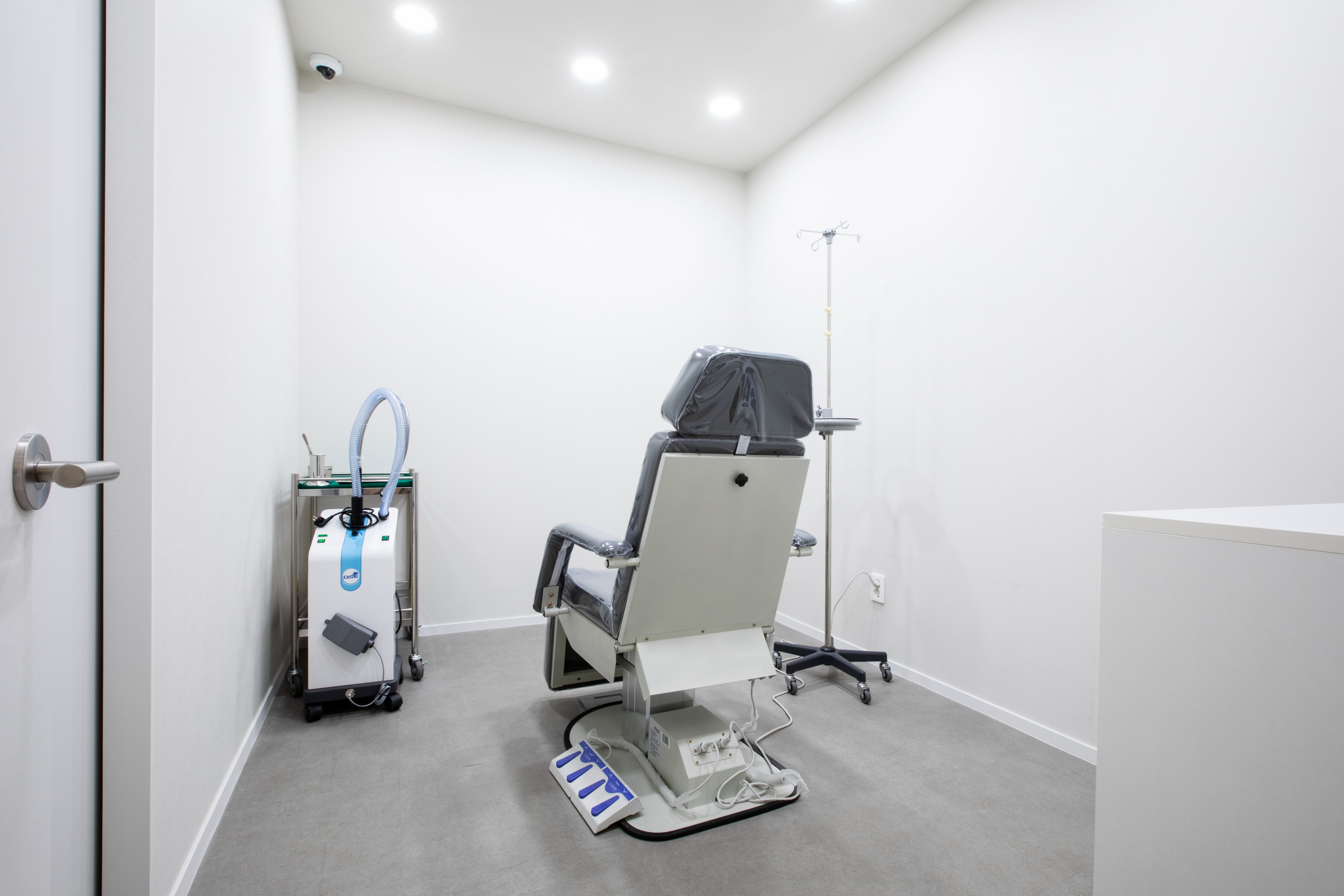
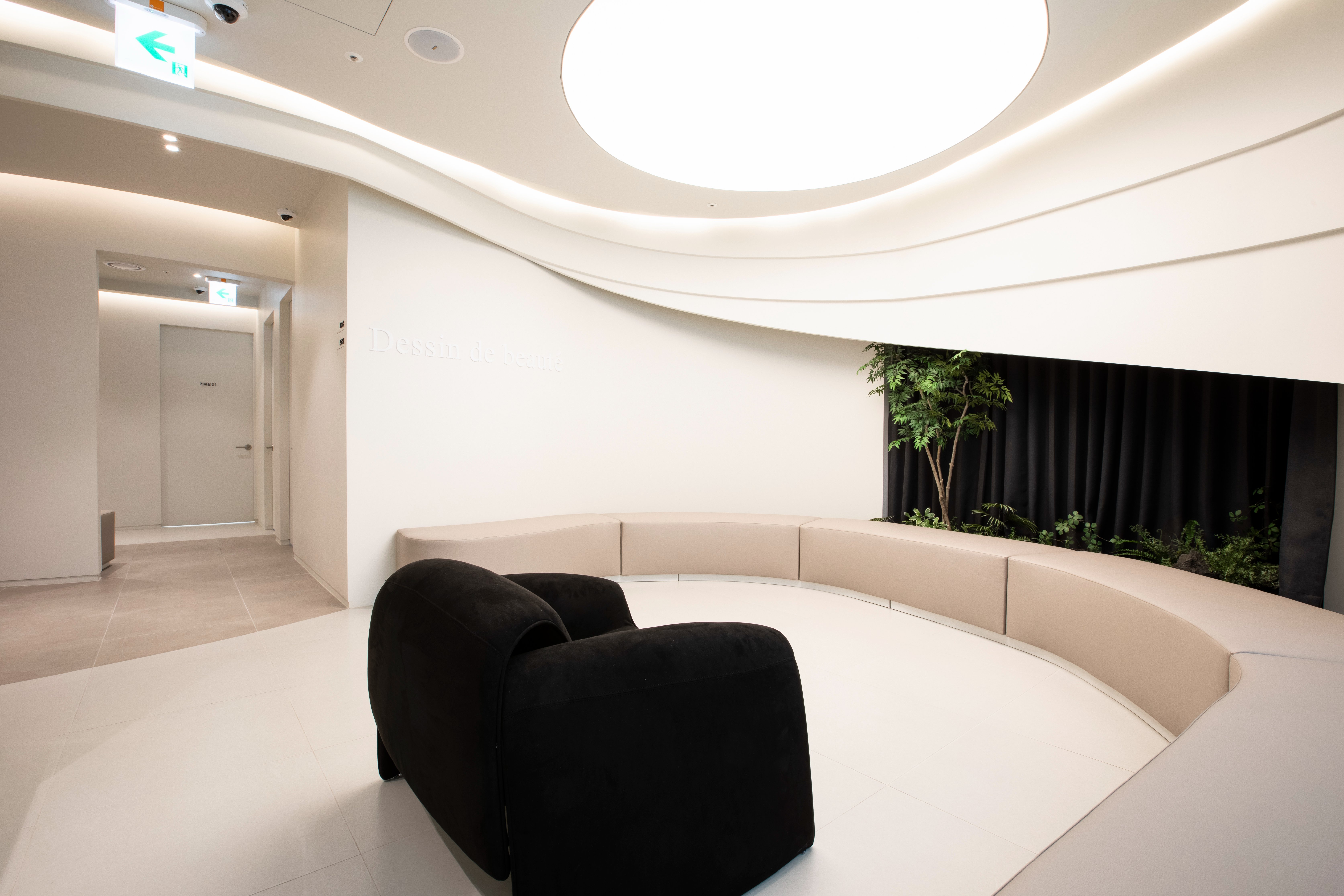
Ode Clinic follows a care process that includes arrival, a consultation and treatment design with the chief director, and a further consultation to finalize the plan. Treatment takes place in a private, single-person room, followed by personalized post-procedure management. Before leaving, make sure you understand the instructions relevant to your procedure and how to contact the clinic if you have a concern. Ask about the proposed schedule and cost before agreeing to treatment.
| Consultation topic | Question to ask |
|---|---|
| Treatment goal | Which concern does this procedure address? |
| Design | Which areas will be treated, and why? |
| Expectations | What changes should I expect, and when? |
| Safety and care | What risks and aftercare instructions apply to me? |
| Practical planning | What schedule and cost are proposed? |
After treatment, follow the individualized instructions provided by the medical staff rather than relying on a general routine. If you are unsure whether a reaction is expected, contact Ode Clinic for guidance. Follow-up discussions and before-and-after images can also help assess change over time. The aim is not to pursue a standard facial appearance, but to make an informed decision about the concerns that matter to you.



Frequently Asked Questions
Q.What does Ode Clinic offer for facial rejuvenation?
A.Ode Clinic offers dermatology treatments for lifting, skin tightening, facial volume, and skin quality. Options include Ultherapy Prime, Thermage FLX, injectable volume treatments, and skin boosters.
Q.Who might consider a consultation at Ode Clinic?
A.A consultation may be useful for someone concerned about facial sagging, reduced firmness, hollow areas, or skin texture. The chief director discusses individual concerns and treatment design.
Q.How are treatment options compared?
A.The chief director considers the patient’s needs and discusses options based on the concern. Ultherapy Prime is a focused ultrasound treatment, while Thermage FLX uses radiofrequency for skin tightening.
Q.What should I prepare before my appointment?
A.Bring a list of your concerns and previous procedures, and share relevant medical history, medications, and allergies with the medical staff. You can also ask about the proposed treatment schedule, cost, risks, and aftercare.
Q.Where is Ode Clinic, and how can I contact the clinic?
A.Ode Clinic is at 8F, Gyeongwon Building, 340 Gangnam-daero, Gangnam-gu, Seoul. Call +82 2-569-0222 to discuss an appointment.
Clinic Information
| Clinic | Ode Clinic |
|---|---|
| Specialty | Dermatology |
| Address | Seoul, Gangnam District, Gangnam-daero, 340 8F |
| Phone | +82 2-569-0222 |
| Website | https://odeclinicseoul.com/en |
 Ode Clinic