

What to Expect at a one on one Ultherapy consultation
Ultherapy Prime is a focused ultrasound treatment used to address facial sagging. At Ode Clinic, a one-on-one consultation gives you time to explain what you would like to change and discuss whether Ultherapy is appropriate for your concerns. The consultation is also an opportunity to understand the proposed treatment design before deciding to proceed. The doctor considers your individual features rather than relying on a uniform plan. You can ask about the areas being considered, expected changes, discomfort and post-treatment care.
How Ultherapy Works
Ultherapy uses high-intensity focused ultrasound to deliver energy to deeper tissue layers, including the superficial muscular aponeurotic system, or SMAS. The treatment creates small points of thermal coagulation in the targeted tissue. The aim is to address laxity and support a lifting effect, rather than simply treat the skin’s surface. Areas discussed during consultation may include the brows, cheeks, jawline and area beneath the chin, depending on your concerns and the doctor’s assessment.
Understanding the treatment’s purpose helps you set realistic priorities. If your main concern is sagging around the lower face, for example, explain whether you notice it most around the cheeks, mouth or jawline. If your concern is fine lines or skin texture, mention that too: these are not necessarily addressed in the same way as a change in facial contour. Ultherapy is one option within a broader treatment discussion, not an automatic answer to every concern. The doctor can explain what the proposed treatment is intended to address and what it may not address. Changes may take time depending on your individual condition, and the extent and duration of any change can differ from person to person.
Ultherapy is designed to target deeper tissue, so a useful consultation starts by separating concerns about sagging from concerns about skin texture or volume. That distinction helps the doctor explain whether the proposed treatment matches your goals.
Your Consultation and Treatment Design
Ode Clinic’s process begins with arrival and a one-on-one consultation with the chief director. During this discussion, describe the areas that concern you and the kind of change you hope to see. The doctor can assess your condition and discuss a treatment design with you. A follow-up consultation then provides an opportunity to review and finalize the plan. You do not need to arrive with a predetermined treatment area or shot count.
It can be helpful to distinguish between a feature you have always had and a change you have noticed more recently. Tell the doctor whether your concern is visible at rest, when you smile or from a particular angle. If you are concerned about facial fullness, say so clearly: the treatment design should take your individual anatomy into account. You can also ask the doctor to explain why a particular area is included or excluded from the plan. The follow-up discussion is a good time to revisit anything that remains unclear, including how the proposed treatment relates to your priorities. If you need more information before making a decision, ask for it before the plan is finalized.
The Patient Journey at Ode Clinic
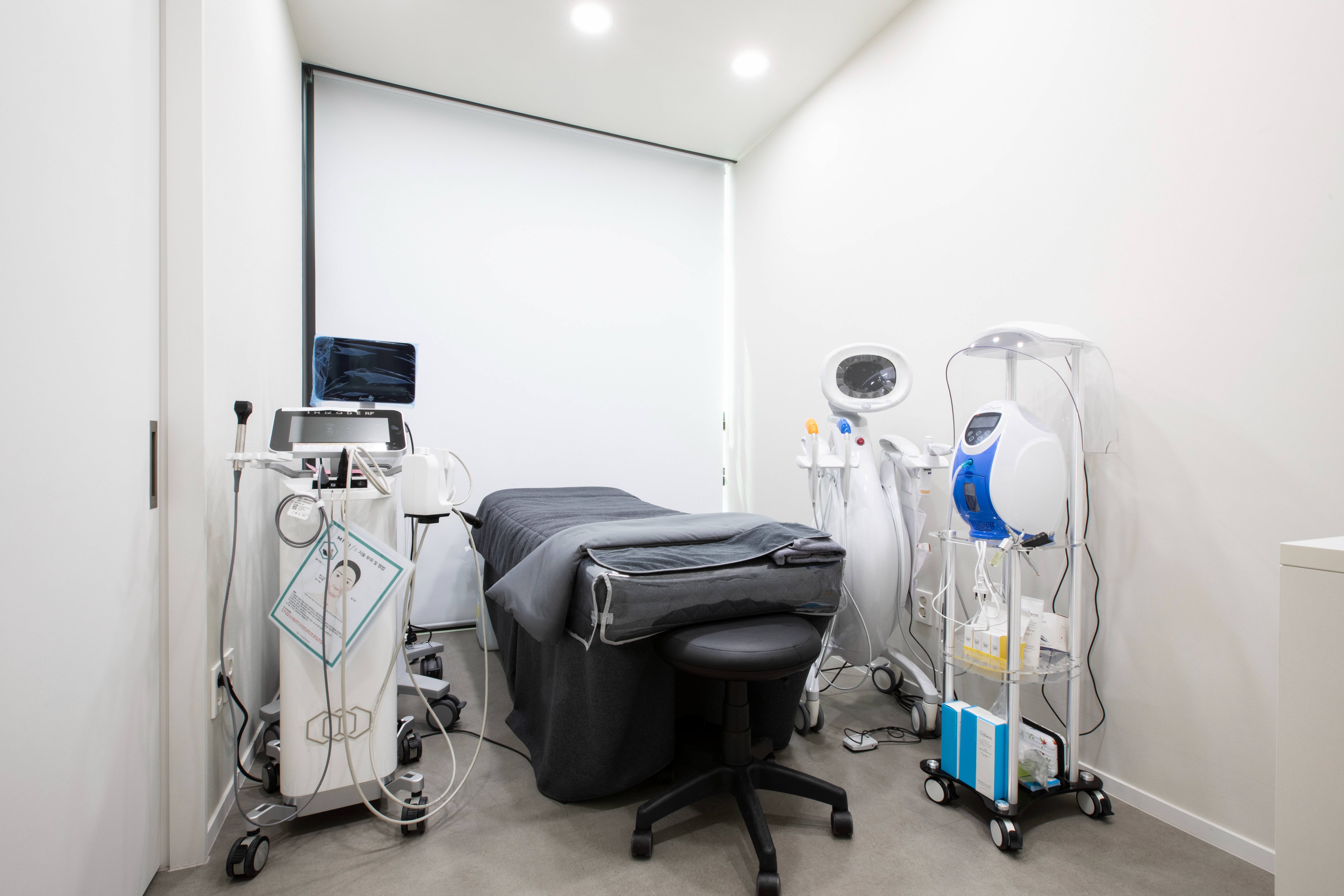
The consultation is part of a broader care process at Ode Clinic. After the initial design and follow-up consultation, treatment takes place in a private, single-person room. Personalized post-procedure management follows, and you return home after the services are complete. This sequence gives you distinct opportunities to discuss the plan before treatment and understand the care recommended afterward. The exact details of your visit depend on the plan agreed with the doctor.
The table below outlines the clinic’s care process. The consultation and re-consultation are especially useful moments to ask how your goals have been translated into a treatment design. After the procedure, use the care discussion to clarify what you should expect and whom to contact if you have a concern. Keep the instructions relevant to your own treatment, rather than assuming another person’s experience will be the same as yours.
| Stage | What it involves |
|---|---|
| Arrival | Visit Ode Clinic. |
| Consultation and design | Discuss your concerns and treatment design with the chief director. |
| Re-consultation | Review and finalize the treatment plan. |
| Private room procedure | Receive treatment in a single-person room. |
| Customized care | Receive personalized post-procedure management. |
| Departure | Return home after your services are complete. |
Before leaving, make sure you understand any instructions that apply to you. Ask when you should expect to assess changes and whether a follow-up visit is appropriate for your plan. Ode Clinic uses diagnostic imaging for before-and-after comparison and follow-up discussions, which can help provide a more objective record of change. The doctor can explain how assessment fits into your care. Results are individual, so comparison is most useful when considered alongside your original concerns and treatment goals.
How to Prepare for a one on one Ultherapy consultation
Preparation begins with a clear account of your goals and relevant medical history. You do not need technical knowledge of ultrasound to have a productive discussion. Instead, be ready to explain what bothers you, what you hope to improve and any concerns about treatment or recovery. Share health information that could affect the doctor’s assessment, including previous facial procedures and current medications. This gives the doctor a more complete basis for discussing whether Ultherapy is suitable and how the treatment might be planned.
Define Your Priorities
Start by identifying the area that matters most to you. You might be considering treatment because of sagging around the cheeks, a less-defined jawline or a change beneath the chin. You may also be concerned about facial volume or skin firmness. These concerns can overlap, but they are not identical. Explaining which change matters most helps the doctor focus the consultation and discuss whether a lifting approach is aligned with your expectations.
Bring a short list of questions if you find it difficult to remember everything during an appointment. For example, ask which areas the doctor recommends treating and why, what degree of change is reasonable to anticipate, and how progress will be assessed. If you are weighing Ultherapy against a tightening treatment, ask what each is intended to address. You can also mention an upcoming commitment or other timing consideration so that the discussion includes your schedule. Avoid treating a photograph or another person’s result as a prediction for your own face. It can be useful as a way to explain your preferences, but the treatment decision should rest on your individual assessment and a realistic discussion of possible outcomes.
A focused list of concerns is often more useful than arriving with a fixed treatment plan. Tell the doctor what you want to improve and what you want to preserve, then ask how the proposed design addresses both.
Review Your Medical and Treatment History
Tell the doctor about relevant medical conditions, medications, allergies and previous procedures, including treatments received in the areas you want assessed. If you have an implanted medical device, are pregnant or have another health concern, raise it during the consultation. The doctor can consider that information when advising you. Do not stop or change prescribed medication on your own; discuss any medication questions with the clinician responsible for your care.
Previous treatment history can also help the doctor understand your preferences. Explain what you have tried, when you received it and whether you experienced discomfort or a reaction that concerned you. If you do not remember every detail, share what you know rather than guessing. Mention any current skin irritation or other changes in the proposed treatment area as well. The purpose is not to assume that a previous procedure or condition automatically prevents treatment; it is to give the doctor the information needed for an individual assessment. If a question arises that cannot be resolved during the visit, ask what further information would be useful before proceeding. A considered plan should make room for questions as well as your preferences.
Discuss Comfort and Treatment Planning
Ultherapy can involve discomfort, and the experience differs between individuals. Ode Clinic offers nitrous oxide sedation as an option for Ultherapy rather than sleep anesthesia. Ask the doctor how comfort will be managed and whether that option is appropriate for you. Share any concerns about pain, anxiety or previous reactions to sedation. The doctor can explain the approach relevant to your circumstances before you decide whether to proceed.
You can also ask how the doctor determines the treatment areas and the number of ultrasound applications, often called shots. A shot count alone does not explain the full plan: placement and the intended treatment area are important parts of the discussion. If you are concerned about preserving facial fullness, raise that point explicitly. The doctor can explain how your facial anatomy affects the proposed design and what the treatment is intended to achieve.
Cost is another reasonable topic for the consultation. Ask for a clear explanation of the proposed plan and its price before agreeing to treatment, including any applicable tax or additional charges. You can also ask whether the plan involves treatment on the same day and how much time to allow for the visit. Understanding the scope, cost and expected care in advance helps you make an informed decision without relying on assumptions.

Planning After a one on one Ultherapy consultation
Once you understand the proposed design, consider whether it addresses your main concern and fits your preferences. Ask the doctor to explain the expected course of change, possible reactions and the follow-up arrangements. The decision does not depend on choosing the most intensive treatment; it depends on whether the approach is appropriate for your condition and goals. Ode Clinic’s treatment process includes personalized care after the procedure, so the final discussion should cover both treatment and what comes next.
Set Realistic Expectations
Ultherapy is intended to address laxity using focused ultrasound, but the appearance and timing of changes differ between individuals. Some changes may take time depending on your condition. Ask the doctor what would be reasonable to look for in the areas included in your plan and when to assess them. A useful expectation is specific: for example, understanding which aspect of the jawline is being treated is more informative than expecting a complete change in facial shape.
It is also important to discuss the limits of the proposed treatment. Sagging, skin texture and loss of facial volume can contribute to appearance in different ways. A lifting treatment is not necessarily intended to replace volume or address every surface concern. If more than one issue matters to you, ask the doctor which concern the plan prioritizes and whether another approach should be considered. Ode Clinic also offers radiofrequency tightening and skin booster treatments, but a combination should not be assumed to be necessary. The doctor can discuss the options in relation to your assessment, preferences, timing and cost. A clear explanation of what is and is not being treated is central to an informed choice.
Good planning includes a discussion of treatment limits as well as potential benefits. Ask the doctor how the proposed approach relates to your particular concerns and how changes will be assessed over time.
Points to Consider Before Treatment
Before proceeding, discuss possible reactions and what to do if you are concerned afterward. Redness, swelling or tenderness can occur after ultrasound treatment; more serious reactions, including burns, can occur but are uncommon. Ask the doctor which signs warrant a call and how to reach Ode Clinic. Individual risk assessment and clear aftercare instructions are important parts of the treatment decision. Your medical history and the areas being treated can influence the advice you receive.
During the follow-up consultation, review any points that remain uncertain. These may include how discomfort will be managed, whether your medical history affects the plan, and what restrictions or care instructions apply after treatment. If you are planning around travel or an event, discuss your timing rather than assuming that your experience will match someone else’s. The doctor can explain what to expect and how to respond to a reaction. After treatment, follow the personalized instructions you receive and contact the clinic if a symptom worries you. If you experience severe or rapidly worsening symptoms, seek prompt medical attention. The aim is to make sure you know what to monitor and where to turn for help.
Review the Plan and Arrange Your Visit
Before agreeing to treatment, revisit the essentials: your primary concern, the proposed areas, the reason for the recommended design, the expected cost and the care plan. Ask the doctor to explain any point that does not feel clear. If you are considering another treatment, discuss how its purpose differs from Ultherapy and whether it is relevant to your goals. A consultation should leave you with enough information to make a considered choice.
Ode Clinic provides one-on-one consultations as part of its dermatology services in Seoul. The clinic’s approach includes direct consultation with the doctor, a follow-up discussion and personalized post-procedure management. When arranging a visit, prepare a concise description of your concern and note any questions you want to cover. If you have records of previous facial procedures, bringing the relevant details can help the doctor understand your history.
Finally, remember that treatment selection is not a contest between devices. Ultherapy and radiofrequency tightening are intended to address concerns in different ways, and neither is automatically appropriate for every patient. Use the consultation to understand the reasoning behind the recommendation. Whether you proceed with Ultherapy or discuss another option, the most useful outcome of the visit is a plan that reflects your anatomy, priorities and informed consent.



Frequently Asked Questions
Q.What does Ode Clinic offer?
A.Ode Clinic provides dermatology services including Ultherapy, lifting and tightening treatments, skin boosters and anti-aging care. Treatment planning includes a one-on-one consultation with the doctor.
Q.Who might consider an Ultherapy consultation?
A.Someone concerned about sagging around the brows, cheeks, jawline or beneath the chin may wish to discuss Ultherapy. The doctor assesses whether the treatment is appropriate for the individual’s condition and goals.
Q.What happens during the treatment process?
A.At Ode Clinic, the chief director discusses the treatment design with you, followed by a consultation to finalize the plan. Treatment takes place in a private room, with personalized post-procedure care.
Q.What should I prepare before my visit?
A.Bring your questions and be ready to discuss your concerns, medications, relevant health conditions and previous facial procedures. Ask about the proposed treatment plan, cost and aftercare before deciding to proceed.
Q.Where is Ode Clinic, and how can I contact the clinic?
A.Ode Clinic is at 8F, Gyeongwon Building, 340 Gangnam-daero, Gangnam-gu, Seoul, Korea. For consultation and booking inquiries, call +82 2-569-0222.
Clinic Information
| Clinic | Ode Clinic |
|---|---|
| Specialty | Dermatology |
| Address | Seoul, Gangnam District, Gangnam-daero, 340 8F |
| Phone | +82 2-569-0222 |
| Website | https://odeclinicseoul.com/en |
 Ode Clinic